Becoming a Certified General Appraiser requires persistence and willpower to get across the finish line.
Appraisers determine the market value of assets, most commonly real estate. Most real estate-related transactions require an appraisal -- including mortgage financing, refinancing, estate and legal settlements.
Although titles vary by state, appraisers generally fall into two categories: residential and commercial. “Commercial appraiser” is the industry term commonly used for a Certified General Appraiser (CGA), the highest license level. Unlike residential-only licensees, CGAs may appraise any type of property.
Someone pursuing the CGA designation must have a bachelor’s degree or higher. (A proposal from the Appraiser Qualifications Board would remove the current bachelor’s degree requirement.) The next steps are completing required appraisal coursework, mentored work experience, and passing the National Certified General Real Property Appraiser exam.
The greatest hurdle for trainees is often finding a qualified appraiser willing and able to provide supervision and sufficient assignments to complete the required work experience. CGA applicants must complete at least 3,000 hours of work experience, in no fewer than 18 months, under the supervision of a licensed mentor with at least three years of experience and competency across property types.
Established appraisers may be reluctant to assume responsibility for a trainee’s work, along with the investment of time and cost in the trainee, and may view this as training future competition. The mentor/company often pays the trainee’s salary and for required coursework in exchange for a commitment to remain with the company for a specified period after earning the CGA designation, allowing the company to recoup its costs.
After more than 35 years in production agriculture, I was ready to apply my real-world knowledge and lived experience to a new career, so I pursued becoming a Certified General Appraiser. In my case, as a gray-haired applicant over 50, I found it even harder to find a mentor. Several experienced CGAs said I was too old for a mentoring relationship. In their view, I had a limited number of productive work years to offset their time and monetary investment. This only strengthened my resolve! I eventually found a mentor, but completing my training required moving to the state where my mentor’s business was located.
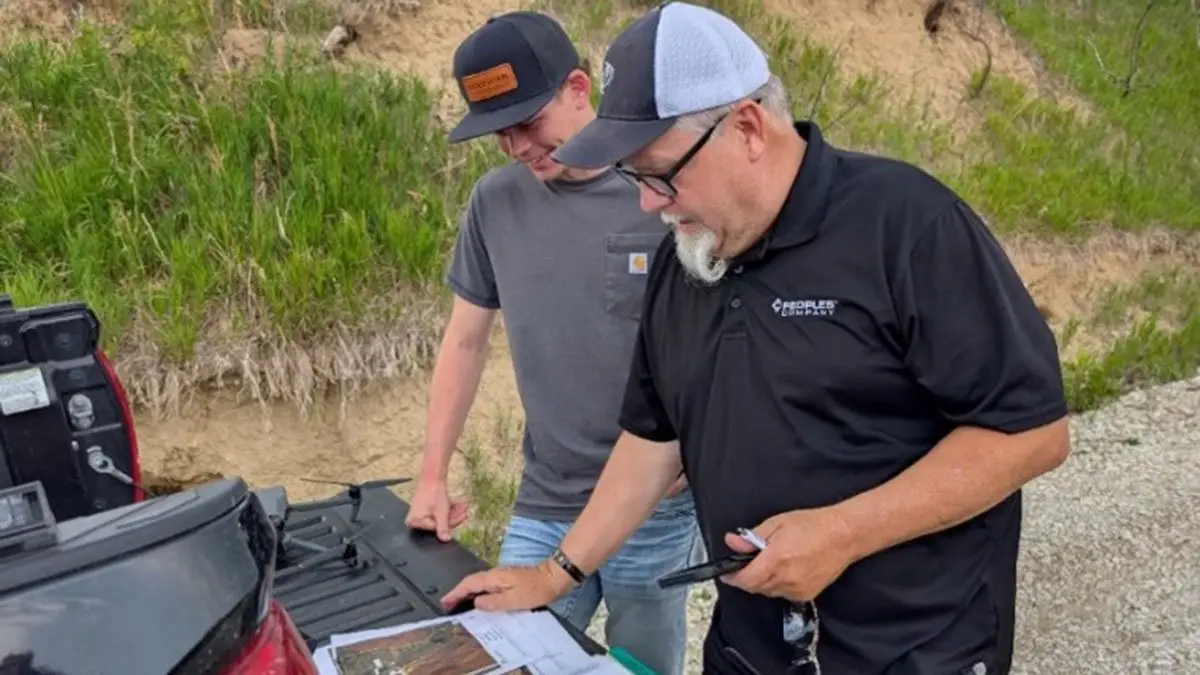
I am fortunate to have found an encore career as an appraiser and have long wanted to provide someone else with the same opportunity through mentorship. I currently mentor Jeb Borgmeyer, who is on track to complete the required work experience hours by year-end and then take the final exam. The mentor-mentee relationship is especially valuable when sharing practical field experience, including how to navigate challenging landowner interviews.
Mentoring Jeb has benefited me as much as it has him. He has increased my confidence with artificial intelligence technology and brought fresh ideas and perspectives.
The mentor-trainee relationship should continue after the formal training and final exam are complete. Incentive plans can encourage newly licensed CGAs to remain engaged with the mentoring team or company over the long term.
Building a client base and securing bidding opportunities takes time. Mentors can help trainees define their market area early and develop relationships that can lead to future work. Trainees can also create opportunities by connecting with banks, lawyers, and other industry professionals. Developing a niche that distinguishes their work from other appraisers can further improve their client prospects.
While the average age of real estate appraisers is estimated to be about 50 years old, a recent article in the professional publication Working RE estimates that the average age of Certified General Appraisers is between 60 and 65 years old. These figures emphasize the need for established appraisers to serve as mentors.
While the appraisal profession has evolved over the years, most recently due to the rise of artificial intelligence, there will always be a need for appraisers, especially for complex projects. Whether they continue working together or establish separate businesses, mentors can support the trainee’s growth while staying involved and continuing to learn.