When landowners partner with Peoples Company Land Management, they don’t just have the attention and expertise of their individual land manager - they gain the collective strength of an experienced, collaborative team.
Our managers are engaged in industry organizations, conservation networks, and ongoing professional conversations where information and opportunities are regularly shared. This team-based approach ensures our clients benefit from the latest programs, incentives, and best practices available across the agricultural and conservation landscape.
Teamwork in Action: Turning Opportunity into Value
An opportunity that just recently came up in conversation was the Iowa Department of Agriculture and Land Stewardship (IDALS) Streamside Buffer Initiative Pilot Project. This is a great example of how our team works together to stay informed and create opportunities for the landowners we serve.
Landowners are busy. While they want to do what’s best for their farms, many are not immersed in the day-to-day details of agricultural policy, conservation funding, or evolving environmental programs. Our team actively shares knowledge, evaluates new initiatives, and collaborates to identify opportunities that align with both economic and environmental goals.
Balancing Production and Conservation on Every Farm
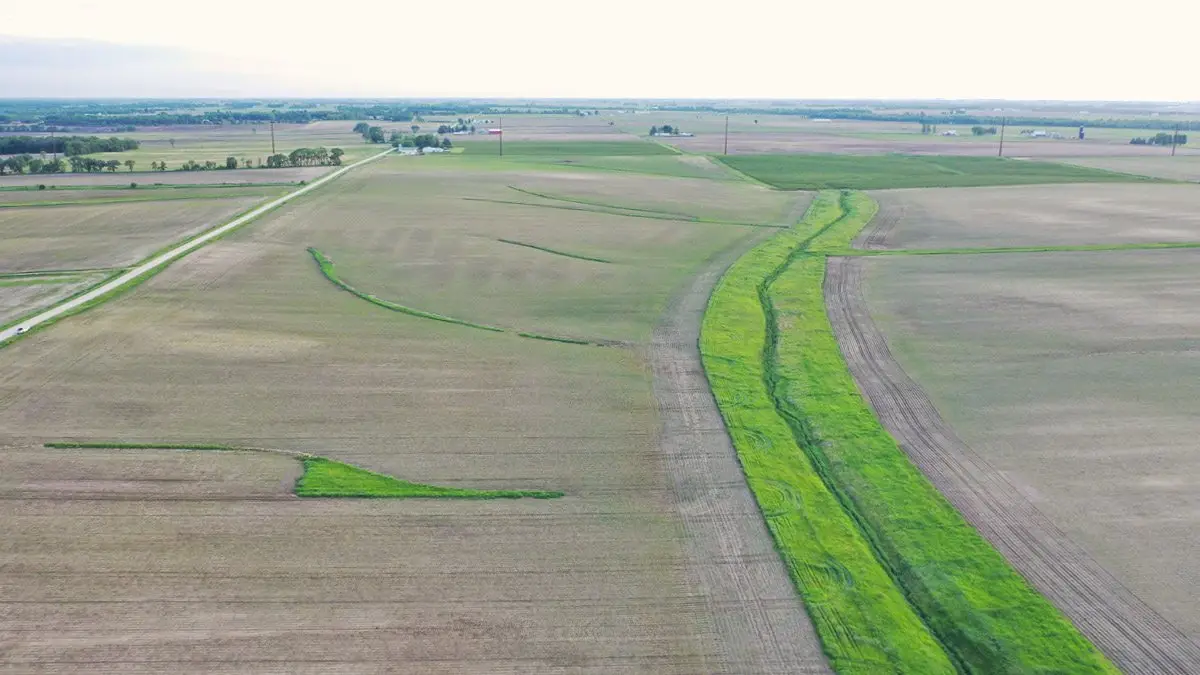
We focus on maximizing production on the most productive acres while protecting and enhancing environmentally sensitive areas of each farm. These areas may struggle due to drainage issues, erosion, highly variable soils, or difficult topography. Often, these acres first appear as an economic concern - consistently producing lower yields - but they frequently reflect underlying environmental challenges as well.
We often refer to these areas as marginal acres. They typically have low productivity and returns, where the cost of inputs like seed, fertilizer, and fuel can outweigh the value of the harvested crop. These acres may also present farming challenges such as poor, eroded, rocky, overly wet, or steep soils that make efficient production difficult.
Reframing Marginal Acres as Environmental and Economic Assets
We work to think of marginal acres less as a problem and more as an opportunity. With the right approach, these areas can start working for you in new ways — both environmentally and financially. By restoring or repurposing marginal land, landowners can create benefits that go beyond a single field and contribute to the long-term success of the entire farm.
Repurposing marginal acres can deliver meaningful environmental outcomes, including:
Biodiversity Boost: Establishing native vegetation creates habitat for wildlife, beneficial insects, and pollinators.
Improved Water Quality: Vegetative buffers reduce nutrient runoff and sediment entering local waterways.
Soil and Carbon Health: Perennial root systems reduce erosion and increase soil organic carbon storage, supporting long-term soil health.
Increased Resilience: Restored areas help manage excess water during heavy rainfall and improve drought resistance.
Sustainable Intensification: Focusing inputs on the most productive acres can improve profitability while allowing less productive land to support conservation goals.
To support this work, Peoples Company land managers regularly leverage programs such as the Conservation Reserve Program (CRP) and, when available, emerging state and local initiatives.
Spotlight: IDALS Streamside Buffer Initiative Pilot Project
Iowa farmers and landowners in the Des Moines, Middle Cedar, North Raccoon, and Turkey River watersheds have the opportunity to participate in a new state-funded cost-share program aimed at improving water quality. This voluntary program is designed to encourage the installation of vegetative streamside buffers, which filter phosphorus and nitrates from runoff before they reach streams, rivers, and municipal water supplies.
Program Highlights: The program is designed to be more flexible than existing federal cost-share programs, allowing for practical implementation on working farms. Buffers must average at least 30 feet wide, with a maximum of 100 feet on one side of a stream, and payments apply only to new acres taken out of row crop production. Participants are required to maintain buffers for a minimum of 10 years, and eligible land includes strips along creeks, drainage ditches, lakes, rivers, and streams.
Payment Structure: IDALS has allocated $3 million from Iowa’s Water Quality Initiative (WQI) to support this pilot project and advance the Iowa Nutrient Reduction Strategy. Harvested buffers receive a one-time payment totaling $1,750 per acre, which includes $250 per acre for establishment and $1,500 per acre for foregone income. Non-harvested buffers receive a higher one-time payment totaling $3,500 per acre, including $500 per acre for establishment and $3,000 per acre for foregone income. Landowners are also encouraged to layer additional conservation practices for enhanced soil health, water quality, and wildlife habitat benefits.
Eligibility: Farmers and landowners in the North Raccoon, Boone, Middle Cedar, and Turkey River watersheds, as well as Dubuque County, are eligible to enroll by visiting their local USDA Service Center. Landowners outside of these watersheds may still have access to other state and federal conservation cost-share programs.
Partner with Peoples Company Land Management
Peoples Company land managers work as a team to help landowners evaluate conservation opportunities, improve profitability, and protect the long-term value of their land. Landowners interested in learning more about Peoples Company Land Management services are encouraged to visit our service page or contact us at [email protected].