

Why Cotton and Rice Get Larger Farm Safety Net Payments Than Corn and Soybeans
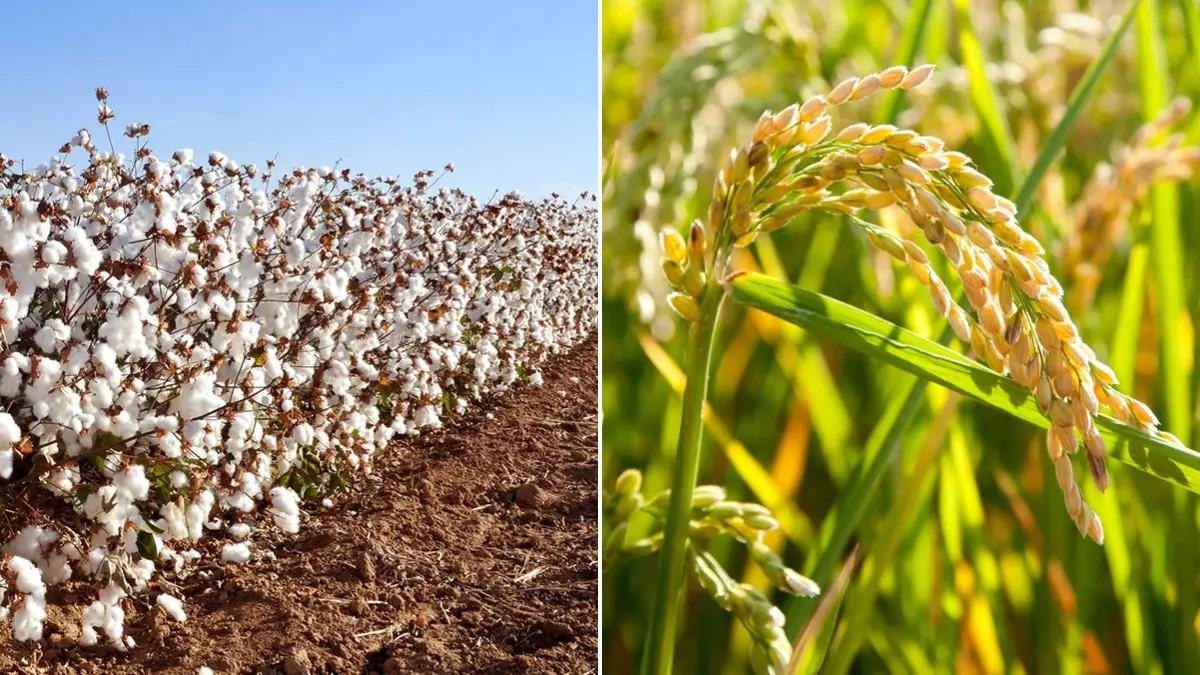
Over the past year, landowners and producers across the Mississippi Delta have noticed a clear pattern: cotton and rice are receiving much larger government support payments than corn and soybeans through programs like Farmer Bridge Assistance (FBA) and Price Loss Coverage (PLC).
At first glance, this raises understandable questions. Corn and soybeans dominate U.S. acreage, production headlines, and national conversations. So why do cotton and rice — especially in Delta counties — show up with bigger checks?
The answer lies not in favoritism or politics, but in economic structure, production risk, and how federal farm programs are designed to function.
Farm Programs Respond to Losses — Not Popularity
Federal commodity programs like PLC and Farmer Bridge Assistance are structured around economic loss, not acres planted, yield, or crop visibility.
For the Farmer Bridge Assistance program, USDA modeled projected losses for each crop using:
· National cost-of-production estimates
· Expected yields
· Market price projections
· Reported planted acres
Where those modeled losses were higher, payments were larger.
Because rice and cotton carry much higher per-acre production costs, prices only need to soften slightly before margins turn negative. Corn and soybeans, while still expensive to grow, generally have lower per-acre exposure and deeper domestic demand buffers.
How the Numbers Compare
The outcome of that loss-based approach is reflected clearly in per-acre payments.
Estimated Farmer Bridge Assistance Payments
CROP | ESTIMATED PAYMENT PER ACRE |
Rice | ~ $133 |
Cotton | ~ $117 |
Corn | ~ $44 |
Soybeans | ~ $31 |
These figures represent national averages but align closely with what many Delta producers experienced on the ground.
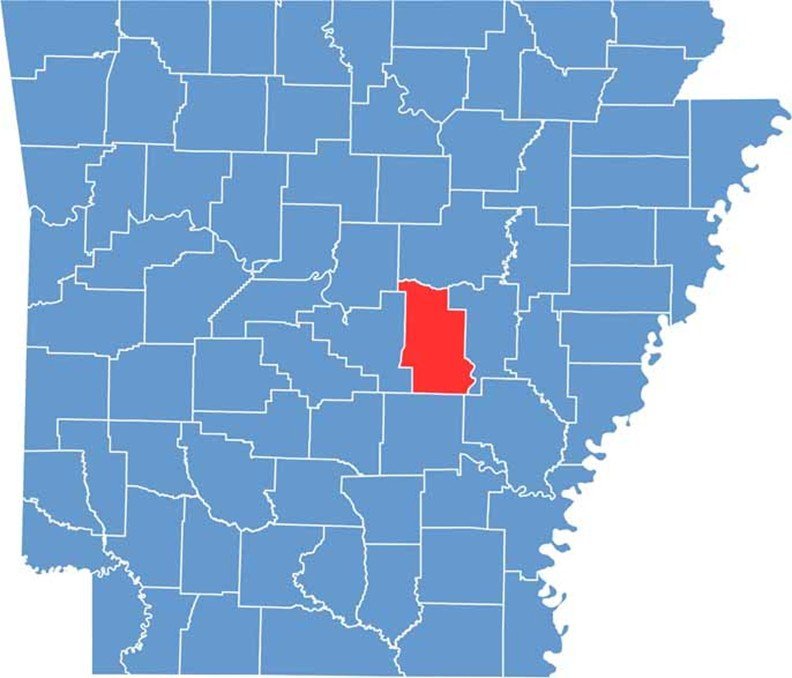
Lonoke County: A Delta Case Study
Lonoke County, Arkansas, offers a strong real‑world example of why these differences matter.
The county consistently ranks near the top for rice and cotton production, while also supporting significant corn and soybean acreage. Most operations are diversified — but diversification does not mean equal risk across all crops.
Rice acres in Lonoke County often require:
Precision‑leveled fields
Pumped irrigation and reservoir systems
Fuel‑intensive water management
Significant upfront capital investment
Cotton brings additional costs tied to pest management, defoliation, and ginning. Corn and soybeans, on balance, tend to require less per‑acre investment and benefit from stronger domestic demand channels.
Dow Brantley, current tenant and third‑generation Lonoke County farmer who grows rice, cotton, corn, and soybeans, described the dynamic succinctly when reflecting on recent seasons:
“Rice is what carried our operation through the season after losing money in cotton, corn, and beans.”
Even on diversified farms, certain crops often act as the stabilizer when others fall short.
Why PLC Favors Cotton and Rice
The same pattern appears in Price Loss Coverage, which triggers payments when national average prices fall below reference prices established in the farm bill.
Those reference prices are not uniform:
Rice: $16.90 per hundredweight
Seed cotton: $0.42 per pound
Corn: $4.10 per bushel
Soybeans: $10.00 per bushel
Congress set higher reference prices for rice and cotton because:
They face intense global competition
They are heavily export‑dependent
They have structurally higher cost floors
As a result, rice and cotton trigger PLC payments more frequently. Soybeans, by contrast, have historically remained above their reference price in most years.
Why This Matters to Landowners and Investors
In Delta counties like Lonoke, rice and cotton are not just crops — they are cornerstones of the rural economy.
They support:
Local grain elevators and cotton gins
Equipment dealers and fuel suppliers
Farm lenders and ag service providers
Land values and long‑term lease structures
When rice or cotton acreage becomes unprofitable, ripple effects extend well beyond the farm gate. Federal farm policy has long recognized this reality, reinforcing safety‑net provisions to help prevent sharp acreage losses and long‑term economic damage.
Key Takeaways
Higher subsidy payments for cotton and rice are not about rewarding one crop over another.
They reflect:
Higher production costs
Greater exposure to price swings
More frequent safety‑net triggers
The outsized role these crops play in Delta economies
Corn and soybeans often thrive when markets are strong. Rice and cotton, especially in the Delta, require a stronger safety net to remain viable through downturns.
For landowners, managers, and investors evaluating Delta farmland, understanding these structural differences is essential when assessing long‑term risk, lease terms, and infrastructure investment.
Interested in Delta farmland or crop economics?
If you’re evaluating land values, lease structures, or long‑term strategy in rice‑ and cotton‑producing regions, understanding these policy dynamics is critical.
Contact the Peoples Company Land Management team to discuss how crop mix, policy, and market structure affect long‑term land performance. Please visit our service page or contact us at [email protected].
Agriculture
Crop Insurance
Energy Management
Growing Together
Industry Insights
Land Auctions
Land Management
Land Values
News & Events
Real Estate


Peoples Company proactively works to anticipate the needs of those in the agricultural sector. Our monthly email publication keeps readers in the know about everything land.
