An Appraisal Perspective
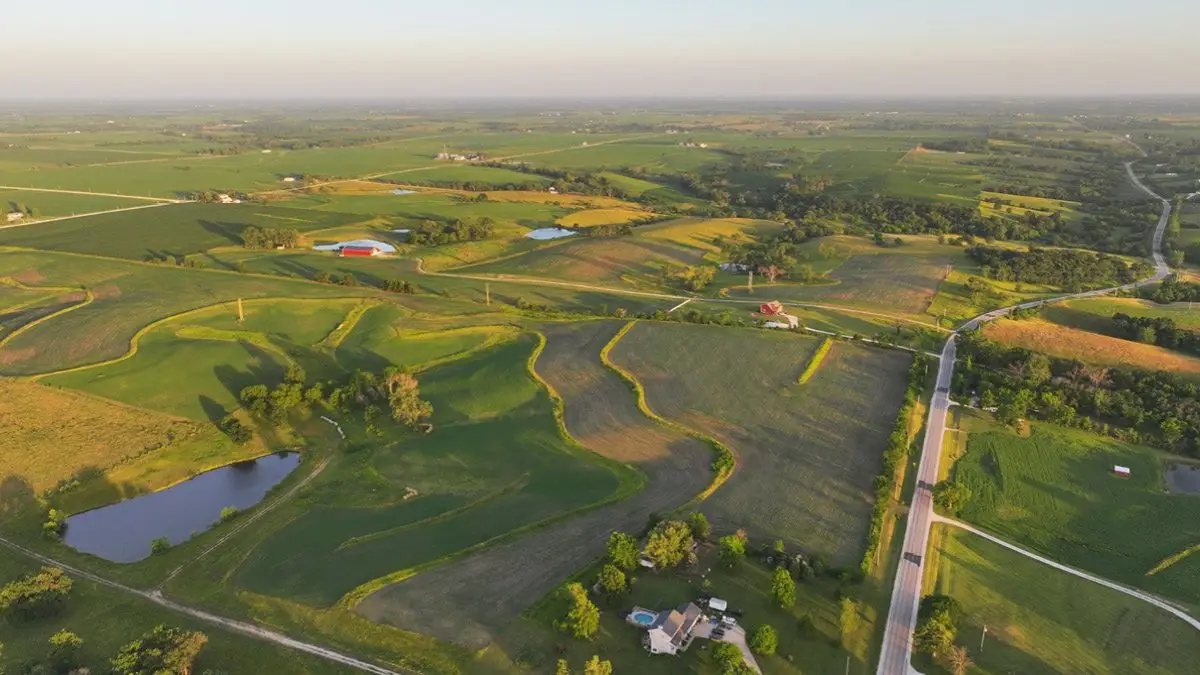
Midwest farmland values have remained historically strong, but recent market activity reveals a clear shift beneath the surface. Today’s land market is increasingly behaving like a two-speed system, where premium farms continue to perform at a high level, while marginal properties require more time, strategy, and precision to achieve successful outcomes.
From an appraisal standpoint, this is not a weakening market, it is a more discerning one. Buyers are placing greater emphasis on quality, efficiency, and long-term return potential, which is creating a wider spread in how different types of land are valued and marketed.
Premium Farmland: Consistent Demand and Strong Performance
High-quality farmland across the Midwest continues to attract competitive interest and strong pricing. Farms with productive soils, consistent yield history, efficient field layouts, and access to strong farming operators remain highly desirable.
Location plays a significant role. Properties situated in established farming neighborhoods—areas with experienced operators and ongoing demand for expansion—tend to generate more competition. These farms often benefit from stronger cash rent potential and long-term stability, which supports both buyer confidence and value.
In today’s environment, buyers are willing to compete for land that offers reliability and efficiency. Even with higher interest rates and tighter margins, premium farms continue to sell well because they align with both operational and investment goals.
Marginal Farmland: A More Selective Market, Not a Weak One
Marginal farmland is experiencing a more measured and selective market, but that does not mean it lacks value or opportunity. Instead, these properties are seeing longer marketing periods and more price sensitivity, as buyers carefully evaluate how each tract fits into their operation or investment strategy.
Factors such as lower soil productivity, drainage limitations, or less efficient field layouts can influence demand. In a market where input costs remain elevated, buyers are prioritizing farms that deliver stronger and more consistent returns.
That said, marginal farms can still achieve positive outcomes when approached strategically. Thoughtful pricing, strong marketing, and clear communication of a property’s strengths—such as location, recreational appeal, or improvement potential—can position these farms effectively in the marketplace.
The key difference today is not whether a farm will sell, but how it is positioned and how long it may take to find the right buyer.
The Role of Comparable Sales in Farmland Valuation
In a two-speed market, comparable sales are more important than ever in determining accurate farmland values. Appraisers rely heavily on recent, relevant transactions to understand how the market is pricing both premium and marginal properties.
However, not all sales carry equal weight. The most meaningful comparables are those that closely align with the subject property in terms of:
As the gap between premium and marginal land widens, selecting the right comparable sales becomes critical. A high-quality farm sale may not accurately reflect the value of a more challenged property—and vice versa.
This is why a property-specific approach is essential. Accurate valuations depend on understanding not just the broader market, but where a particular farm fits within it.
What This Means for Landowners and Market Participants
For landowners, lenders, and investors, the current environment reinforces an important point: not all acres are valued the same.
Landowners benefit from understanding how their property compares to recent sales and how it can be best positioned in the market
Lenders must account for increased variability in collateral value based on land characteristics
Investors are focusing more than ever on efficiency, productivity, and long-term performance
For sellers in particular, it is important to recognize that while premium farms may generate faster and more competitive outcomes, marginal farms can still perform well with the right expectations and strategy.
A Market Defined by Differentiation
The Midwest farmland market remains fundamentally strong, supported by long-term demand for agricultural production and land ownership. What has changed is the level of differentiation between properties.
Premium farms continue to lead the market with strong demand and pricing. Marginal farms, while still valuable, require a more targeted and informed approach to achieving successful results.
From an appraisal perspective, this two-speed dynamic highlights the importance of data, local market knowledge, and comparable sales analysis in determining accurate and credible land values.
In today’s market, quality matters—but with the right insight and strategy, every property can find its place.