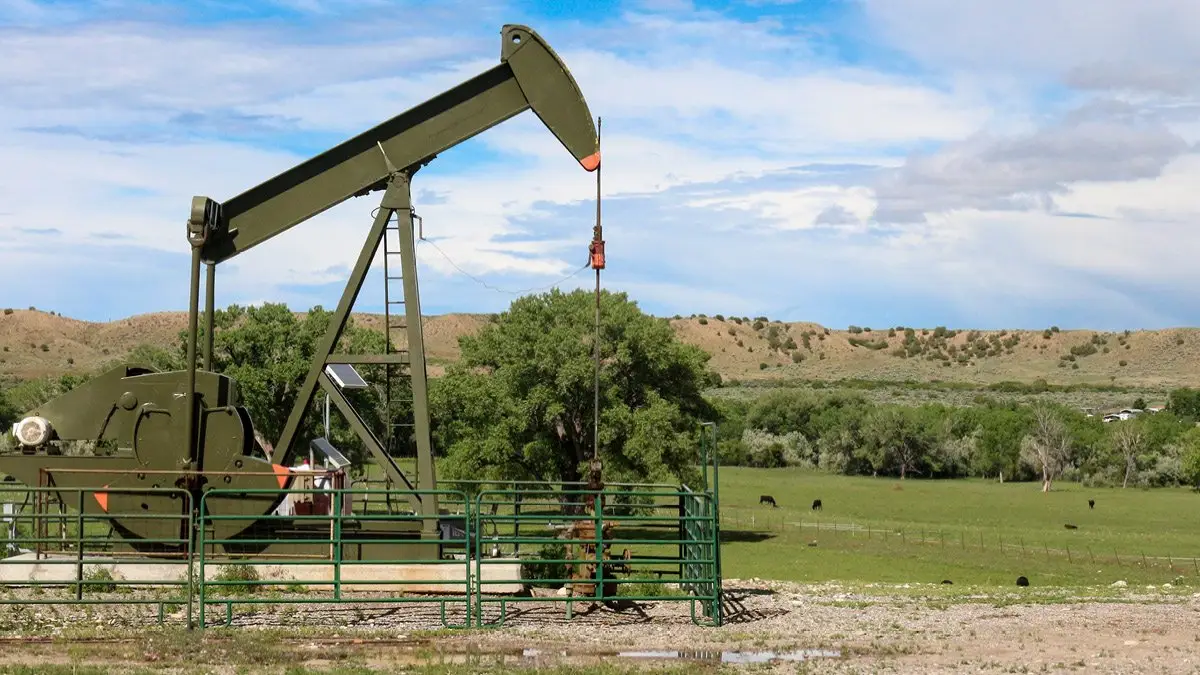
At some point, nearly every mineral owner asks the same question. Should I keep my mineral rights or cash out?
Mineral rights can generate income for years while also carrying the potential for future development. That makes the decision to sell far more complex than simply accepting the highest offer.
For some owners, selling provides immediate liquidity and removes the uncertainty that comes with commodity markets and future drilling activity. For others, retaining ownership offers the opportunity to participate in future production and pass a valuable asset on to the next generation.
There is no universal answer. The right decision depends on a variety of factors, including current production, development potential, market conditions, financial objectives, and long-term family goals.
Before making a decision, consider these seven important questions.
1. Is the Property Currently Producing Oil or Gas?
If you're receiving royalty checks, you already own an income-producing asset. The challenge is determining whether a potential sale reflects the value of the income you're giving up.
Producing minerals provide a history that owners and buyers can evaluate, including production volumes, royalty income, and well performance. Reviewing recent royalty statements can help establish a clearer picture of what the property is generating today and what it may generate in the future.
While current production should not be the only factor in your decision, it provides an important starting point for understanding the value of your mineral interest.
2. Are There Undeveloped Drilling Opportunities Nearby?
It's easy to focus on what a property is producing today. The harder question is what it could produce in the future.
A tract with limited production, or no production at all, may still have significant value if operators are actively leasing land, drilling nearby wells, or filing permits in the area. Buyers often evaluate mineral interests based not only on current production but also on the potential for future development.
Take time to research activity surrounding your property. New horizontal wells, increased leasing activity, or operator announcements can all indicate additional opportunities that may affect the value of your minerals.
3. How Much Income Are Your Minerals Generating Today?
Understanding your current royalty income helps put any potential sale into perspective.
Ask yourself:
· How consistent are royalty payments?
· Are revenues increasing, stabilizing, or declining?
· How significant is the income compared to your other sources of revenue?
For some owners, royalty income is a modest supplement. For others, it represents a meaningful source of cash flow. Comparing a purchase offer against both current income and future expectations can help determine whether the offer aligns with the long-term value of the asset.
Compare what you're being offered today against what the minerals may generate over time.
4. What Are Current Commodity Prices and Market Conditions?
Mineral values are closely connected to oil and natural gas markets.
When commodity prices are strong, operators are often more willing to invest in drilling programs and buyers may become more aggressive in acquiring mineral interests. During weaker market conditions, activity can slow and valuations may change.
Commodity prices should not be the sole factor driving your decision, but they can provide important context.
Like most commodities, oil and gas markets are cyclical. Market conditions that exist today may look very different a few years from now. Understanding the broader environment can help you evaluate whether a sale fits your expectations for the future.
5. What Are Your Current Financial Goals?
Sometimes the decision has less to do with the property and more to do with the owner's circumstances.
A lump-sum payment may help fund retirement, reduce debt, invest in a business, improve farmland, or meet other financial objectives. For some mineral owners, converting an asset into cash provides certainty and flexibility.
Others may prefer retaining ownership and accepting the risks and rewards that come with future production.
Neither approach is inherently right or wrong. The key is understanding how the decision aligns with your broader financial goals.
6. What Are the Tax Implications of a Sale?
Tax considerations can have a meaningful impact on the outcome of a transaction.
Depending on your circumstances, the proceeds from a sale may be subject to capital gains taxes or other state and federal tax obligations.
Royalty income and asset sales are often treated differently from a tax perspective. Because every ownership situation is unique, consulting a qualified tax professional can help provide a clearer understanding of the potential implications.
Focusing on after-tax proceeds rather than the headline purchase price often provides a more accurate picture of a transaction's value.
Understanding the tax consequences is essential before making any major mineral ownership decision.
7. How Does This Fit Into Your Estate or Legacy Plan?
Mineral rights are frequently viewed as long-term family assets.
For some owners, retaining mineral interests provides an opportunity to pass future income and development potential to the next generation. For others, selling may simplify estate administration and reduce future management responsibilities.
Questions to consider include:
Do your heirs have an interest in retaining the minerals?
Would a sale simplify future estate planning?
Are multiple family members likely to inherit the asset?
Does continued ownership align with your family's long-term goals?
Thinking beyond today's value can help ensure the decision supports both your financial objectives and your family's future plans.
The value of a mineral interest depends on far more than current royalty income. Production history, nearby development activity, commodity markets, and future drilling potential can all play a role in determining value.
Before making a decision, take the time to understand the asset you're evaluating. A thorough review of your property's production, development outlook, and ownership objectives can provide valuable perspective and help ensure you make an informed decision.
Thinking about selling your mineral rights or simply trying to understand what they're worth? If you'd like assistance evaluating your mineral interests or discussing your options, contact the Peoples Company Energy Management Division. Our team works with mineral owners across the country to help them better understand the factors influencing the value of their assets and make decisions that align with their long-term goals.