Throughout the Midwest, many agricultural properties derived their value from their ability to generate income through row crop production. One of the most common methods used to convert a property's income-producing capability into value is the direct capitalization approach, expressed by the formula:
Value = Net Operating Income (NOI) ÷ Capitalization Rate
Recreational properties, however, often do not fit neatly within this framework. While some recreational tracts may generate limited income, their value is influenced by factors that are difficult to quantify, such as habitat quality, location, buyer perception, and emotional appeal. As a result, appraisers must rely heavily on market analysis and qualitative property characteristics, creating a more complex valuation process. The following are several key factors that contribute to the complexity of recreational land valuation.
Habitat Features and Quality
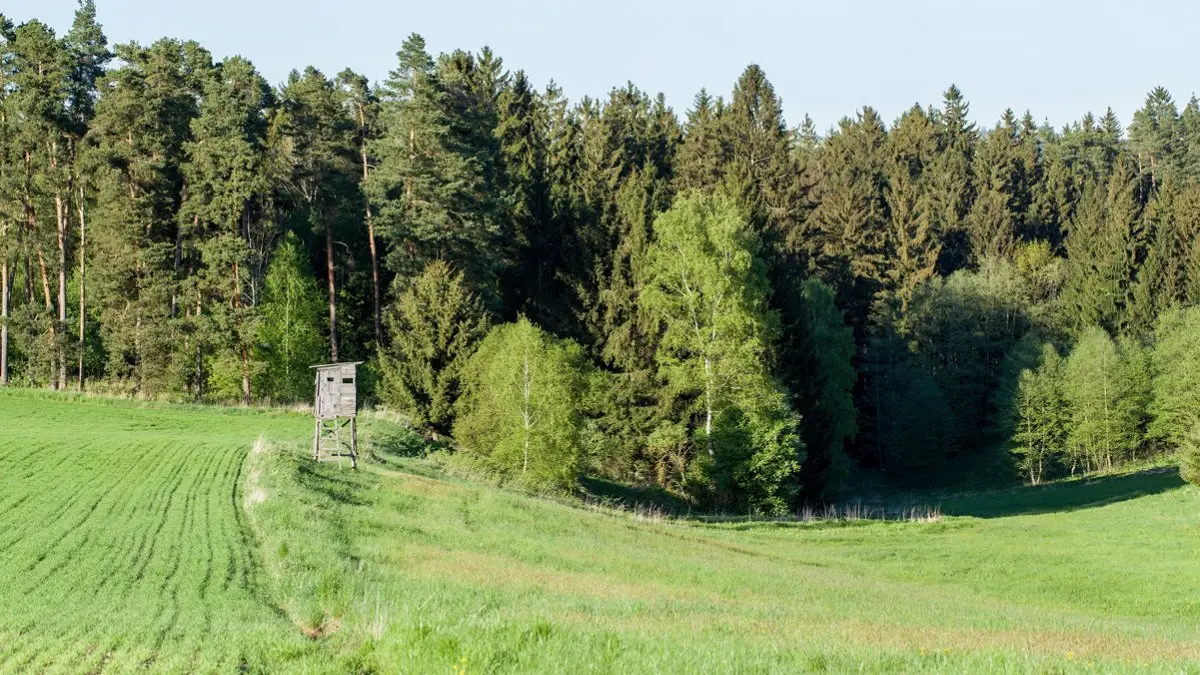
Habitat quality is one of the most important yet difficult-to-measure contributors to recreational land value. Recreational buyers often evaluate both natural features and property improvements when determining a property's appeal.
Key considerations include:
Natural features such as river frontage, ponds, topography, and scenic views.
Managed features such as Timber Stand Improvement (TSI), food plots, invasive species control, and trail systems.
The balance between existing recreational utility and long-term habitat potential.
Although habitat features and improvements can significantly influence buyer demand, the market does not always recognize these characteristics equally. Determining how buyers perceive, and value habitat quality requires an understanding of both the property's physical attributes and the motivations of the recreational buyer. This relationship between habitat and buyer perception is one of the primary reasons recreational properties can be challenging to value.
Documentation Matters
While buyers can observe a property's current condition during an inspection, documentation can provide valuable insight into its management history and recreational utility. Thorough records help tell the story of a property and provide buyers with a better understanding of what may not be immediately visible during a single property tour.
Examples of useful documentation include:
It is important to recognize that documentation alone does not create value. A collection of trail camera photographs featuring mature wildlife does not automatically result in a higher appraised value, just as a photo album of past harvests does not guarantee future recreational success. Rather, documentation serves as supporting evidence of a property's characteristics and management history. While these records may increase buyer interest and improve marketability, appraisers must ultimately rely on market evidence and the actions of typical market participants when developing an opinion of value.
Easements, Conservation Programs, & Access Agreements
Another important consideration in recreational land valuation is the presence of easements, conservation programs, and public-access agreements. While many of these programs provide environmental, recreational, or financial benefits, they can also influence how a property may be utilized, managed, or marketed in the future.
Examples may include:
Conservation Reserve Program (CRP)
Wetland Reserve Easements (WRE/WRP)
U.S. Fish & Wildlife Service Easements
Forest Reserve Program
Grazing easements or restrictions
State-sponsored public access and habitat programs that allow public hunting access while promoting wildlife habitat improvements.
The impact of these programs can vary considerably from property to property. While some may enhance wildlife habitat or generate income, others may limit future uses of the property. Because these programs often reduce the bundle of rights conveyed with the land, appraisers must understand how the market perceives both the benefits and limitations associated with the encumbrance.
Location, Location, Location
As with nearly all forms of real estate, location plays a critical role in recreational land valuation. However, recreational land markets often extend beyond traditional considerations such as proximity to population centers, road access, or local economic conditions. In many cases, buyers place significant value on a property's location within a recognized recreational market, where reputation alone can influence demand.
Examples include:
Regional reputation: The Midwest is widely recognized for quality whitetail hunting.
County reputation: Pike County, Illinois, has developed a nationally recognized recreational land market.
Township reputation: Woodland Township in Decatur County, Iowa, has become well-known among recreational land buyers.
If you are a whitetail deer hunter, you have likely heard of these locations, and numerous similar examples exist throughout the Midwest. Properties located within well-established recreational markets often benefit from expanded buyer demand and increased market exposure, illustrating how location and reputation can influence value.
Emotion in the Marketplace
Unlike many traditional agricultural land purchases, recreational property acquisitions are often driven by personal goals and experiences rather than productivity or return on investment.
Common buyer motivations may include:
Family traditions
Legacy ownership
Outdoor recreation
Lifestyle considerations
These emotional considerations can significantly influence market behavior. A recreational buyer may be willing to pay a premium for a property that fulfills a lifelong dream, offers exceptional scenery, or is located in a highly desirable area. In some instances, multiple emotionally motivated buyers may compete for a limited inventory of high-quality recreational tracts, driving prices beyond what might be supported by traditional market measures.
Why Appraisal Expertise Matters
As discussed throughout this article, recreational land values are often influenced by factors that extend well beyond traditional agricultural metrics. Habitat quality, documentation, easements, location, and buyer motivation can all influence how the market perceives a property.
Unlike many agricultural properties, recreational tracts rarely fit neatly into traditional valuation models. No two properties are exactly alike, and buyers often place different levels of importance on wildlife habitat, recreational utility, location, and long-term potential. As a result, developing a credible opinion of value requires more than simply analyzing acreage or recent sales.
At Peoples Company, our appraisal professionals routinely analyze a wide variety of recreational properties throughout the Midwest. By combining local market knowledge, extensive sales data, and practical experience, our team understands the factors that drive buyer demand and influence recreational land values. Whether evaluating a highly managed hunting property or a mixed-use recreational tract, we are committed to providing clients with credible and well-supported valuation services.