

Pattern Tile Drainage in Illinois: Benefits, Costs, and Long-Term Value
What Pattern Tile Drainage Is
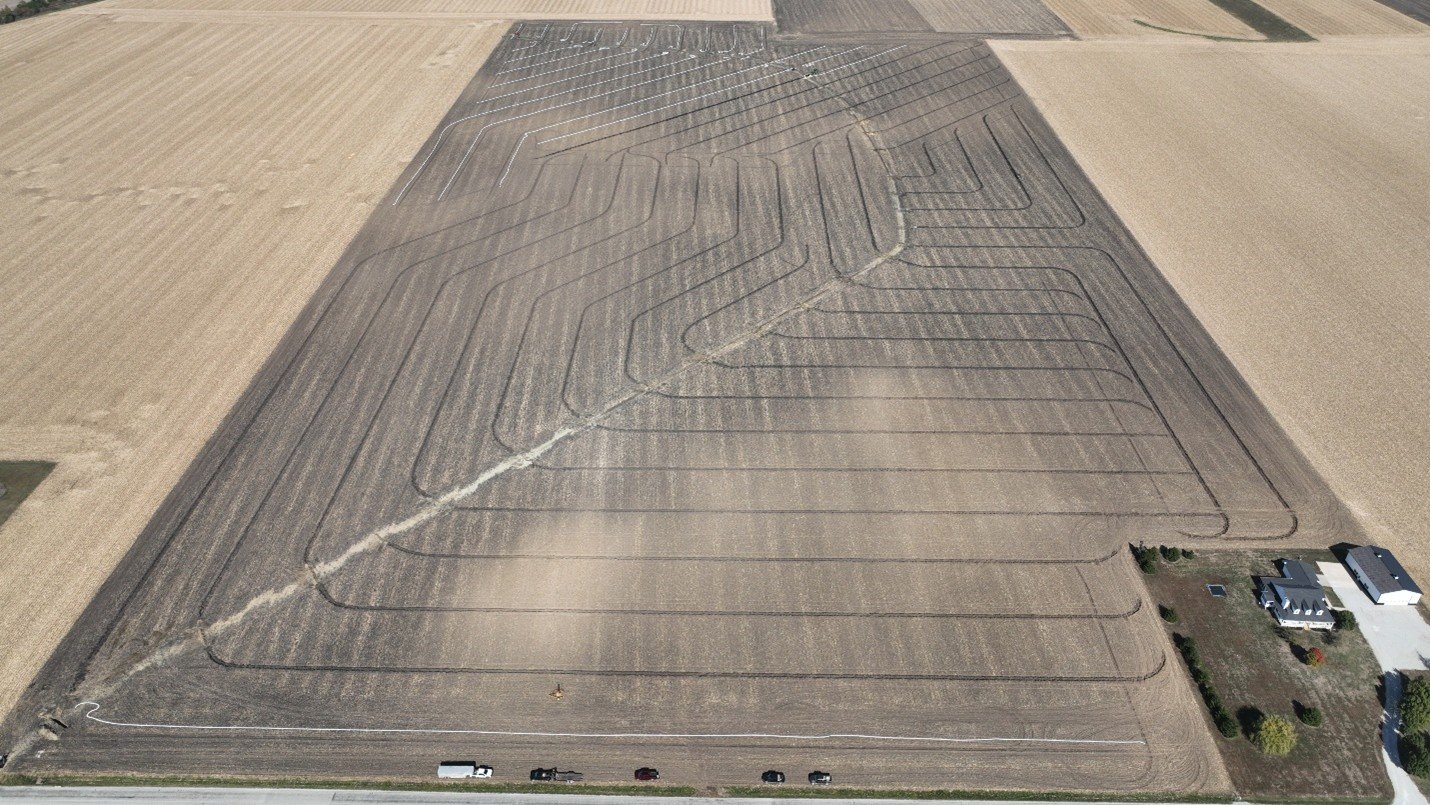
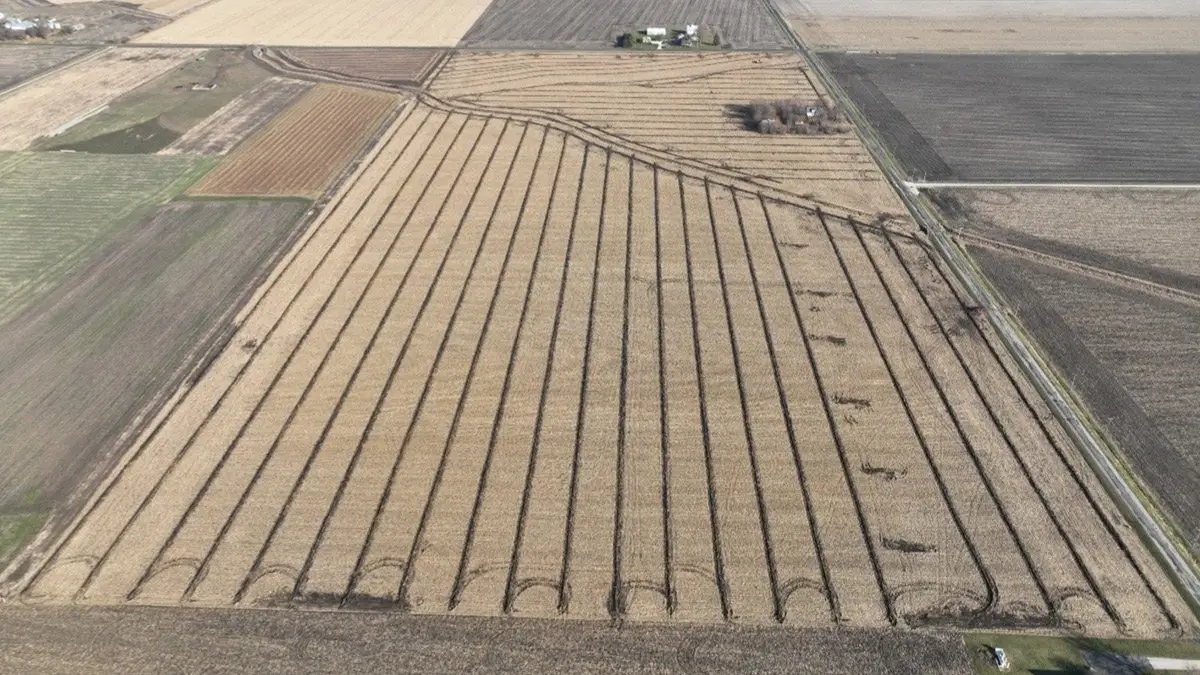
Pattern tile drainage is basically a network of underground pipes laid out evenly across a field. These pipes sit at a consistent depth and spacing, quietly moving excess water out of the soil using gravity. The goal is simple: keep water from sitting around the root zone too long.
Because everything is buried below the surface, tile drainage doesn’t get in the way of planting, spraying, or harvesting. Many Illinois farmers prefer pattern tiling over spot drainage because it treats the whole field the same way. Instead of fixing one wet area at a time, pattern tiling creates more uniform conditions across the entire field, which usually leads to more even crop growth.
Trivia fact: The word “tile” comes from the 1800s, when farmers used short pieces of clay pipe to drain fields. Today’s systems use flexible plastic tubing, but the name stuck.
Why Pattern Tiling Matters in Illinois
A lot of Illinois soil has a high clay content. Clay holds water tightly, which means after a good rain, fields can stay wet longer than anyone would like. When water just sits there, roots don’t get enough oxygen. That stress can slow down early growth and limit yield potential before the season even gets going.
Spring weather can make things even tougher. If fields stay saturated, planting gets pushed back. And as most farmers know, late planting can cost yield. Pattern tiling helps fields dry out faster after heavy rains, giving farmers a better chance to plant on time and keep the season on track.
Did you know? Some parts of Illinois were originally wetlands or prairie potholes before being drained for agriculture. Modern tile drainage played a major role in turning those areas into some of the most productive farmland in the world.
Benefits for Corn and Soybean Fields
One of the biggest benefits of pattern tiling is consistency. When excess water is removed, roots are able to grow deeper and stay healthier. That helps crops take up nutrients more efficiently and handle stress better during wet stretches or unpredictable weather.
Tiled ground is also easier to work with. Equipment can get into the field sooner after a rain, which makes planting, spraying, and harvesting more manageable. Better trafficability also means less compaction, which protects soil structure over the long run.
Interesting fact: In many Midwestern fields, tile lines are commonly spaced anywhere from 30 to 60 feet apart, depending on soil type. Heavy clay soils often require tighter spacing for best results.
Costs and Long-Term Value
There’s no question that installing tile is a serious investment. But most farmers don’t see it as a short-term expense. They see it as long-term infrastructure, similar to building a grain bin or improving a farmstead. Once it’s in place, a well-installed system can last for decades with very little maintenance.
Over time, the payoff shows up in more stable yields, fewer weather-related setbacks, and smoother field operations. Tiled farms are often more attractive to renters and buyers because they tend to perform more consistently year after year. In the long run, many producers find that the benefits outweigh the upfront cost.
Bonus trivia: Some tile systems installed in Illinois in the early 1900s are still functioning today — more than 100 years later — which shows just how long-term this investment can be.

Agriculture
Crop Insurance
Energy Management
Growing Together
Industry Insights
Land Auctions
Land Management
Land Values
News & Events
Real Estate
Peoples Company proactively works to anticipate the needs of those in the agricultural sector. Our monthly email publication keeps readers in the know about everything land.
