

Global Agriculture Lessons from a 2026 Nuffield Scholar
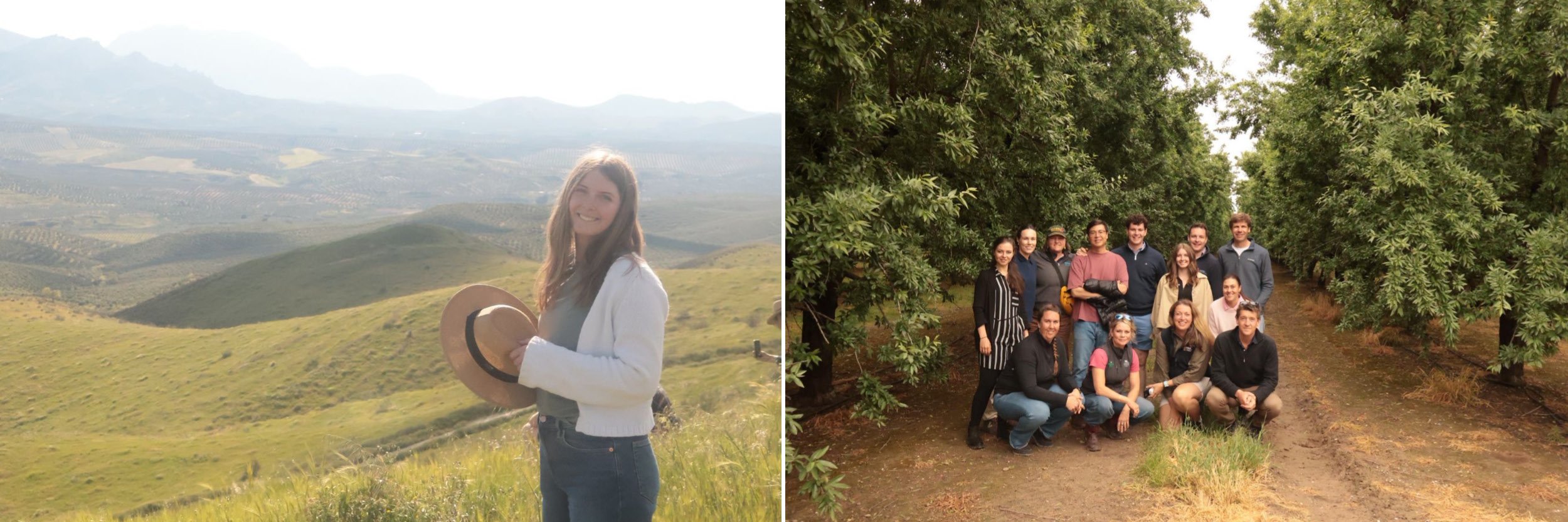
When I was selected as a 2026 Nuffield Farming Scholar, I knew I was embarking on a journey that would span two years and take me to agriculture all over the globe. I recently completed the first two parts of the scholarship, the Contemporary Scholars Conference (CSC) and the Global Focus Program (GFP).
The CSC took place in Osaka, Japan this year. The conference is the first and only opportunity to meet the 90 scholars hailing from 18 different countries that make up the 2026 cohort. Between thought-provoking speakers, breakout sessions, and cultural immersion, some of the most valuable learning happened in the conversations in between. Hearing how farmers, ranchers, and industry leaders from across the globe think about the same challenges we face in the U.S. was eye-opening, and it set the tone for everything that followed.
My GFP was the first group of the year, departing directly after the conference. I set off with ten other scholars who I would be traveling with for the next six weeks across four different continents. Our interests and professions ranged from livestock operations and industry leadership to animal nutrition, and even a frog farmer from Taiwan (for pets, not food). Over those six weeks, we made our way through Japan, Vietnam, Kenya, the Netherlands, Spain, and Texas. Six very different places, each with their own challenges and opportunities, but with more threads in common than I expected.
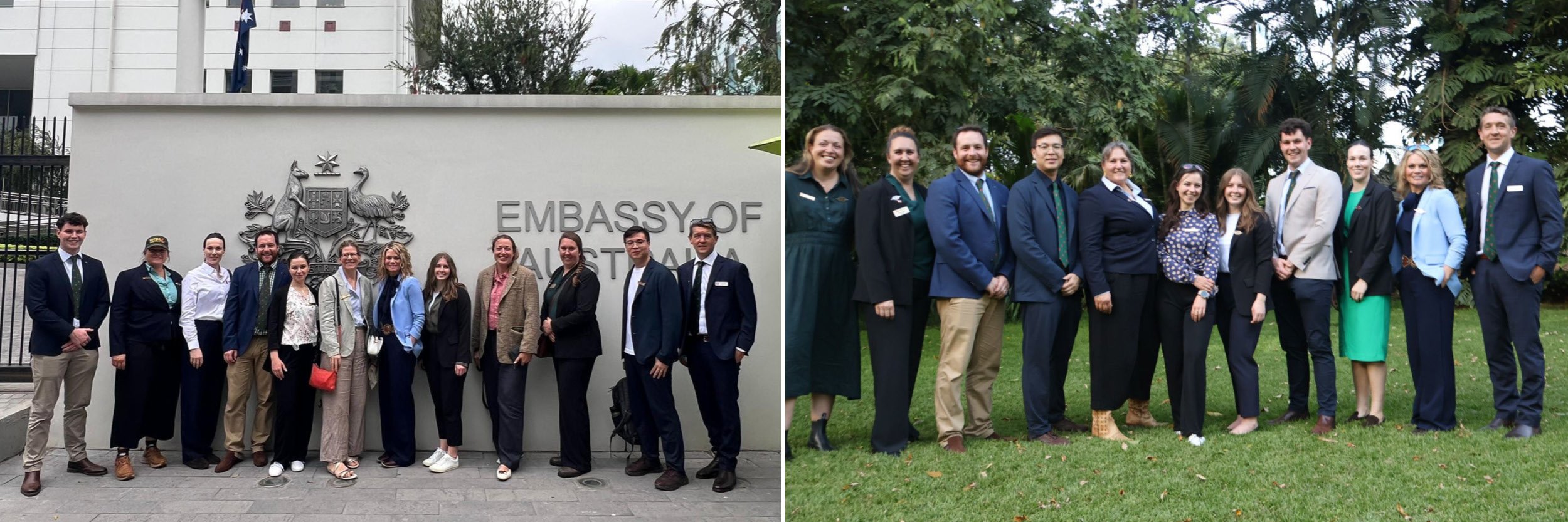
Japan is an island shaped by its geographical constraints: limited land, fragmented farms, and no room for the kind of expansive scale we think of in American agriculture. But what Japan lacks in fields, it more than makes up for in specialization, value-adding, and a form of innovation that looks quite different from anything I was used to. Many of the entrepreneurs we visited were deeply in tune with their customers and focused on reaching new consumers, not just supplying existing ones. Food in Japan is more than something to eat, it is an experience and an art form, and that philosophy runs through the entire production chain, from how crops are grown all the way to restaurants, grocery stores, and even vending machines. What genuinely surprised me was how little technology there was on farm. For a country that gave the world Toyota and Nintendo, the gap between what Japan produces for the global economy and what reaches its own farmers is striking. A deeply traditional culture with an aging farm population means new practices rarely make it to producers, and that tension between a nation of innovators and a farming sector largely untouched by that energy was one of the more thought-provoking things I encountered on the trip.
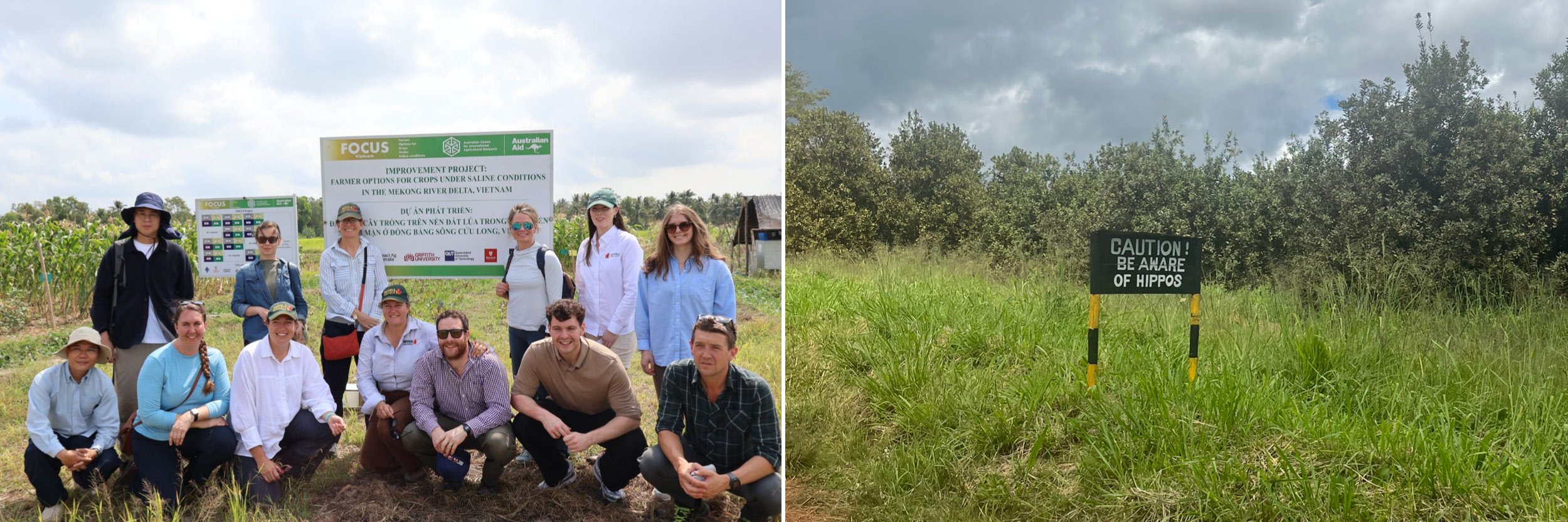
Vietnam was a stark change of pace from Japan. A growing economy, a rapidly expanding middle class, and an energy about the place that was hard to miss, with GDP growing at over seven percent annually and a culture firmly oriented toward what comes next. The contrast with Japan carried into agriculture too. Average farm sizes are under a hectare, yet farmers were trialing drones, using QR codes to sell directly to consumers, and experimenting with rice-shrimp rotations to adapt to shifting conditions on the ground. The Mekong Delta, which produces up to ninety percent of Vietnam's rice on just a fraction of the country's land, is under serious pressure from salinity intrusion and declining soil health, much of it driven by upstream dams Vietnam has no control over. And as in many of the countries we visited, the gap between national policy ambitions and what actually reaches the farm gate was wide. What stayed with me most was the resilience: farmers navigating serious structural challenges with a level of optimism and adaptability that was genuinely inspiring.
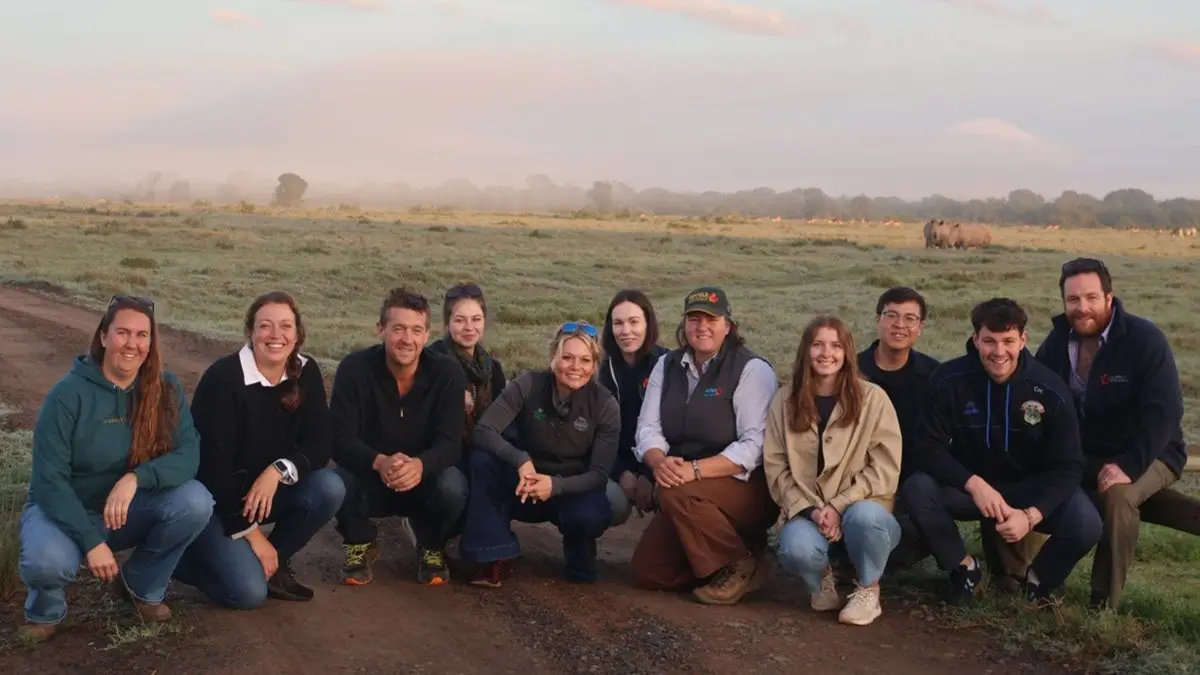
Kenya is the size of Texas but home to twice as many people, and its agriculture reflects that density and diversity in every way. We visited large-scale corporate farms operating at an international standard, and we also visited smallholders farming just outside their back door, supplying fresh produce directly to their village. Both realities exist here, side by side. The politics in Kenya appear well-organized on paper, but enforcement is another matter — bribery is incredibly common, and it shapes how the system functions in ways that are rarely spoken about directly. In some ways Kenya reminded me of places I know in the U.S.: the entrepreneurial energy, the community ties built around agriculture, the sense that the land carries real meaning for the people working it. In other ways it was unlike anything in my frame of reference. The challenges around labor, technology, and political instability are significant, but so is the opportunity. Kenya is a country with enormous agricultural potential, and the people driving it forward are doing so in spite of a system that doesn’t always work in their favor.
The Netherlands might be small in size, but it punches far above its weight in agriculture. As one of the world's leading agricultural exporters, the efficiency and innovation packed into this tiny country are remarkable. But beneath the greenhouses and perfectly ordered fields lies a sector under immense pressure. EU environmental regulations, particularly around nitrogen emissions, have forced many Dutch farmers into an impossible position: land that has been farmed for generations is being targeted for government buyouts, and the political tension this has created is palpable. High land prices, among the highest in the world, make entry nearly impossible for the next generation. It was a sobering reminder that being a global agricultural leader does not insulate a country from existential questions about the future of farming.
Spain offered a different kind of contrast — a slower pace that initially felt like inefficiency but revealed itself as something more deliberate. The agricultural landscape reminded me of California in many ways: the Mediterranean climate, the fruit and vegetable production, the wine country. What I didn't fully appreciate before arriving is the scale. Spain is the seventh largest food exporter in the world and produces around sixty percent of global olive oil, yet much of that oil leaves in bulk and gets bottled under Italian brands. There is a real gap between what Spain produces and the value it captures, and the farmers who had figured that out were thriving. Water, not land, is the real limiting factor, and that shapes everything from crop choices to expansion plans. The hospitality was unmatched, and sitting around a long lunch table with Spanish farmers reinforced what I was learning everywhere: the relationships in agriculture are as important as the product.
Everything really is bigger in Texas. The scale of agriculture there, whether cattle ranching, cotton, or row crops, is something you can’t ignore. But the defining challenge of West Texas agriculture is not market access or regulation; it is water. The Ogallala aquifer that much of the state depends on is being drawn down faster than it can recharge, and in many areas, recharge simply is not possible at any meaningful timescale. Farmers and ranchers were remarkably open about this; the famous southern hospitality extended to candid conversations about an uncertain future. Several sectors are already facing difficult decisions, and the question of who bears the cost of adaptation is far from settled.
Across six weeks and four continents, the specific challenges in each country looked different on the surface: nitrogen regulations in the Netherlands, water scarcity in Texas, political instability in Kenya. But the same threads kept appearing. Everywhere I went, farmers were operating in systems where government policy and on-the-ground reality were misaligned, leaving producers to absorb the gap. Everywhere, the success or failure of a business came down to people: the relationships built, the trust earned, the communities sustained. And everywhere, the question of succession loomed. Who will farm this land when the current generation steps back? It is a question without easy answers but asking it and hearing how farmers around the world are wrestling with it is exactly what a scholarship like Nuffield is designed to do.
Agriculture
Crop Insurance
Energy Management
Growing Together
Industry Insights
Land Auctions
Land Management
Land Values
News & Events
Real Estate
Peoples Company proactively works to anticipate the needs of those in the agricultural sector. Our monthly email publication keeps readers in the know about everything land.
