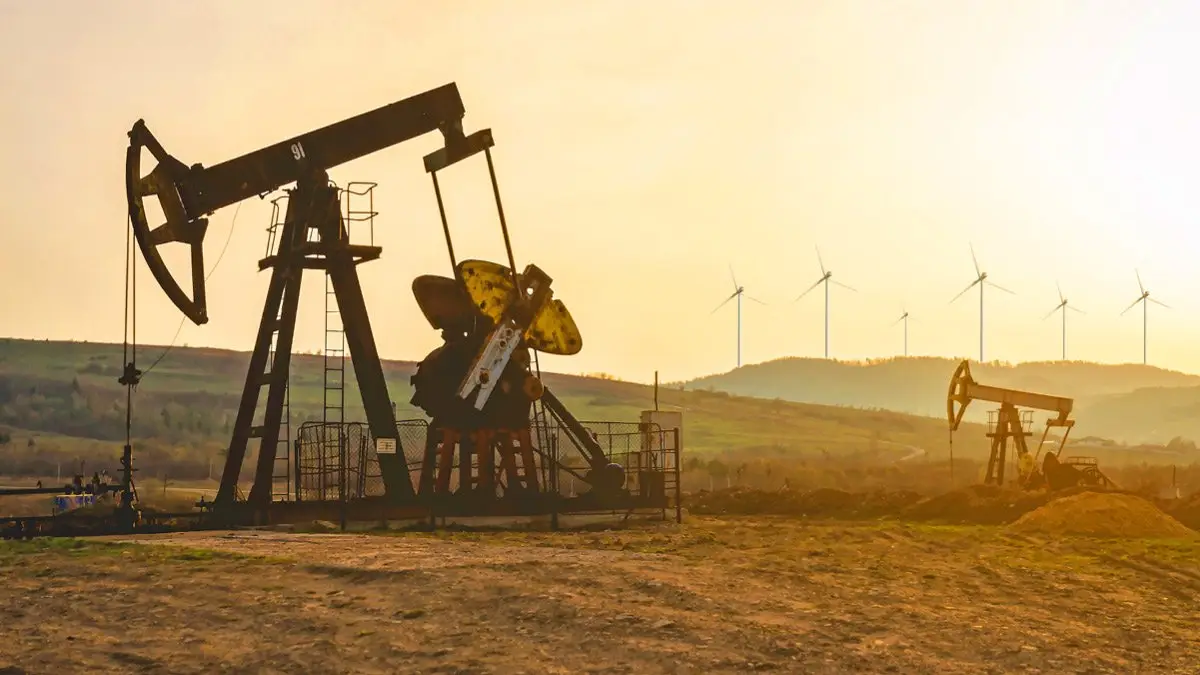
Oil and gas markets have seen sharp swings over the past few weeks as geopolitical tensions create uncertainty for the industry. Escalating conflicts in the Middle East have sent shockwaves through supply chains, briefly pushing crude prices above $100 per barrel. The markets remain highly sensitive to new developments, as every headline can spark sudden price moves.
Middle East Conflict Sparks Supply Concerns
The ongoing conflict involving the United States, Israel, and Iran has created significant instability across the region, which is home to some of the world’s largest oil and gas reserves. Political and military tensions in this area have historically had a direct impact on global energy markets, and the current situation is no exception.
Energy infrastructure including pipelines, export terminals, and shipping lanes face elevated security risks during periods of conflict. Even the threat of attacks or blockades can cause operators to temporarily suspend operations or reduce output as a precaution. This uncertainty has led several countries to reassess production levels and shipping schedules while monitoring the evolving geopolitical situation.
Strait of Hormuz Disruptions
The Strait of Hormuz remains a key factor in the current volatility. Roughly one-fifth of the world’s oil passes through this narrow waterway each day, and security risks have forced some tanker operators to halt or reroute shipments. Insurance costs for tankers in the region have spiked, making transport more expensive and adding another layer of market uncertainty.
Even minor delays in this critical chokepoint can reduce available global supply, which in turn drives prices upward. Market participants are watching daily tanker movements and maritime security updates closely to anticipate sudden shortages. Recently, Iran has stated that they intend for the Strait to remain closed, further exaggerating these conditions.
Major Producers Cut Output
Amid shipping risks and heightened instability, major oil producers in the Middle East including Saudi Arabia, Iraq, Kuwait, and the United Arab Emirates have cut production. The reductions are meant to prevent overfilling storage facilities and avoid transporting oil that could be delayed or blocked.
These cuts have a double effect. They reduce global supply and signal to the market that energy resources are tighter than usual. The resulting price spikes feed a cycle where traders and investors anticipate further supply constraints, amplifying volatility.
Prices Hit $100 Per Barrel
The combination of geopolitical tensions, shipping disruptions, and production cuts briefly pushed oil above $100 per barrel for the first time since 2022.
Crossing the $100 threshold carries both symbolic and economic significance. Higher oil prices increase fuel costs, shipping expenses, and production costs for industries that rely heavily on energy. This can contribute to broader inflationary pressure across the global economy.
Financial markets also closely monitor these price levels because sustained high energy costs can slow economic growth and increased volatility in equities, commodities, and currencies.
U.S. Producers Weigh Their Options
In response to the price spike, some U.S. oil producers have begun increasing production to take advantage of the more favorable market conditions. However, not all companies are rushing to expand output immediately. Many producers remain cautious and are waiting to see whether the price increase will persist. Expanding production requires significant investment in drilling equipment, labor, and infrastructure, and companies prefer to commit those resources only when they believe higher prices will last long enough to justify the expense. If U.S. producers ultimately increase drilling activity, it could lead to more wells being developed primarily in the Permian with slight increases in other regions as well.
G7 Releases Oil Reserves
On March 9th, G7 nations agreed to a historic release of oil reserves to calm markets. Coordinated releases like this are designed to temporarily boost supply and reduce price pressure during periods of extreme volatility.
While the release may stabilize prices in the short term, it does not address the underlying geopolitical risks. Traders are watching closely to see if the additional supply is enough to offset disruption in the Strait of Hormuz and production cuts in the Middle East.
What to Watch
Oil and gas markets are likely to remain volatile until geopolitical tensions ease and shipping routes stabilize. Industry stakeholders are all on alert, ready to react to new developments. Some key indicators to monitor in the coming weeks include:
Tanker traffic through the Strait of Hormuz
Production announcements from Middle East OPEC countries
U.S. drilling activity
Additional strategic reserve releases or policy actions from G7 countries
The coming weeks will show whether prices above $100 per barrel are a temporary spike or the start of a longer-term trend. Until then, uncertainty will continue to drive volatility, keeping energy markets on edge.