

Central Nebraska Irrigation District: Water, Power, and Agriculture
The Central Nebraska Public Power and Irrigation District, often known as CNPPID or simply Central, has played a major role in shaping life in central Nebraska for generations. More than a utility or water agency, Central is part of the region’s agricultural foundation, water management system, and outdoor recreation economy. Its work touches farms, communities, businesses, wildlife habitat, and lakes that many Nebraskans know well. Organized under Nebraska law in 1933, the district was created to help develop the irrigation and electric power potential of south-central Nebraska. Over time, it grew into a multipurpose system that supports irrigation, hydropower, groundwater recharge, recreation, and environmental stewardship across a broad portion of the Platte River Basin.
Origins in a Time of Need
To understand the importance of Central, it helps to go back to the 1930s. Nebraska, like much of the Great Plains, was facing the combined hardship of economic depression and severe drought. Agriculture was the backbone of local communities, yet unreliable rainfall and fragile soil conditions made farming increasingly risky. In that setting, the idea of a large-scale irrigation and hydropower project was not just ambitious; it was essential to the future of the region. The district was formed so that Nebraskans could better manage available water resources and create more stability for rural communities that depended on agriculture.
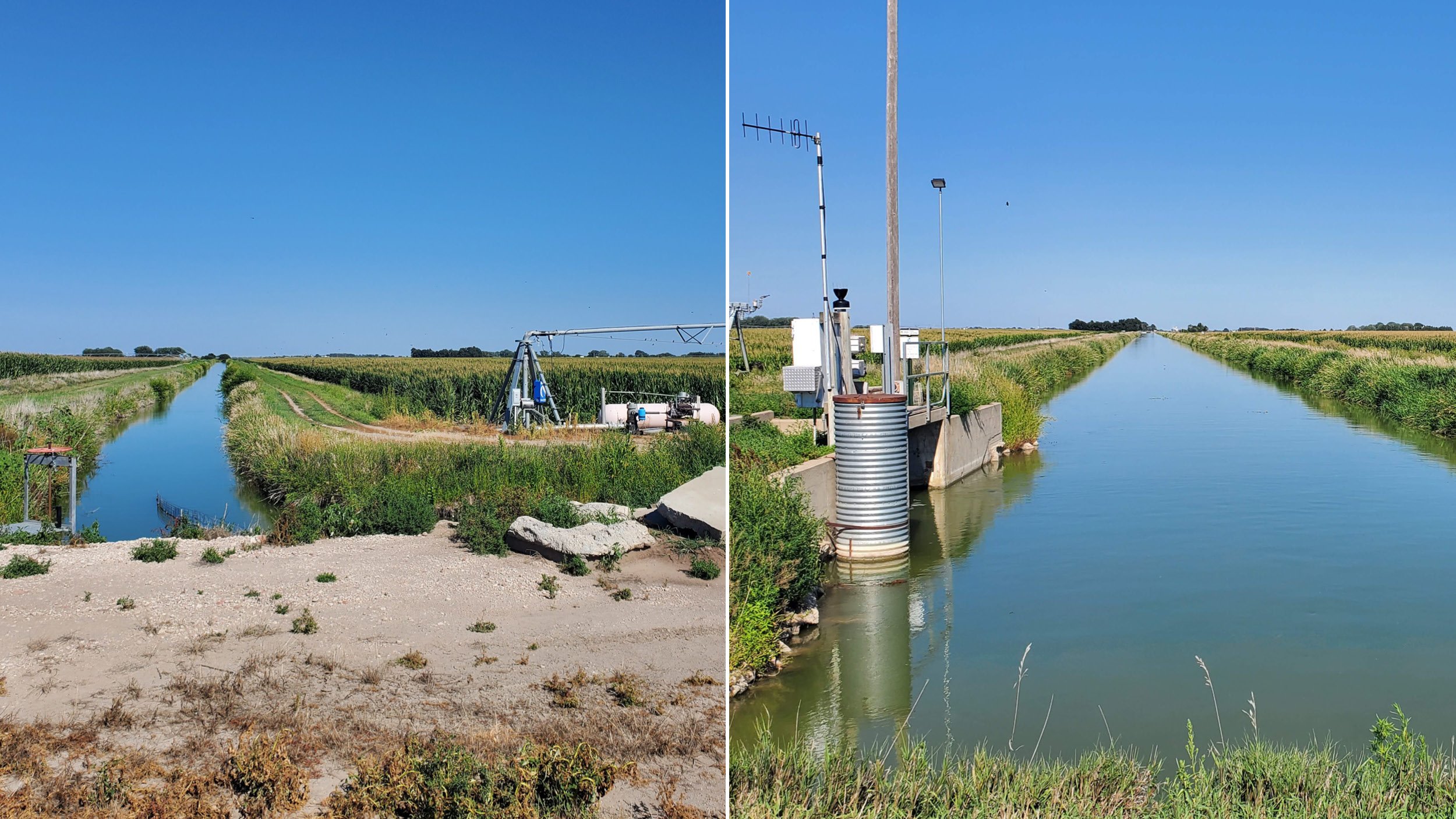
What emerged was a system designed to do several jobs at once. Central’s project would store water, move it across the region, generate electricity, and deliver irrigation supplies to farmland. The system eventually became closely associated with Lake McConaughy, Kingsley Dam, the Supply Canal, and a network of laterals and irrigation canals that changed how water could be used in south-central Nebraska. The district’s first irrigation deliveries began in 1941, and since then Central has become one of the most significant public power and irrigation organizations in the state.
The Lifeline of Agriculture
Irrigation remains at the heart of Central’s mission. The district delivers irrigation water to more than 109,000 acres on the south side of the Platte River between North Platte and Minden, while also providing supplemental water that supports additional irrigation projects serving more than 100,000 acres along the North Platte and Platte Rivers. Through its extensive canal and lateral system, Central helps farmers grow crops in a part of the country where rainfall alone cannot always be counted on. In practical terms, that means greater reliability for producers and a stronger agricultural economy for the communities that depend on them.
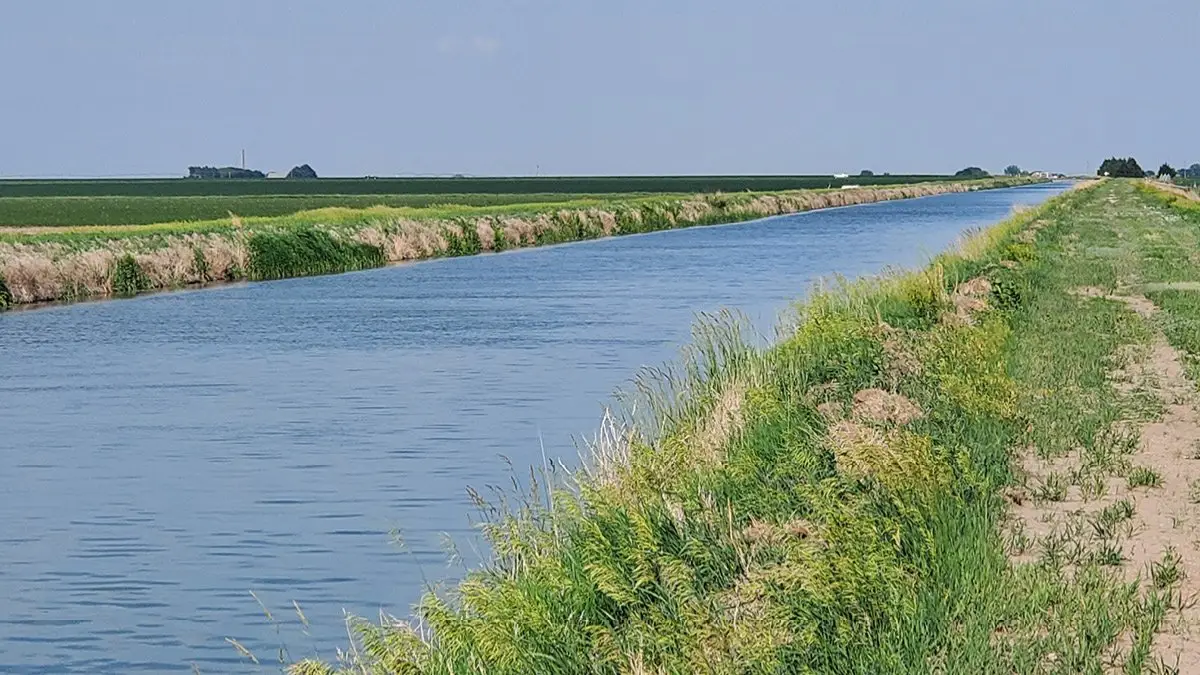
Central’s irrigation system is both large and carefully managed. Water travels through the Supply Canal for roughly 75 miles before reaching the main irrigated areas. From there, major canals such as the Phelps Canal, E65 Canal, and E67 Canal help distribute water across several counties. This infrastructure supports thousands of irrigation accounts and also contributes to groundwater recharge across an even larger area. That recharge is especially important in Nebraska, where surface water and groundwater are deeply connected. By helping refill aquifers and stabilize groundwater supplies, Central’s operations support not only crop production but also long-term water resilience for municipalities, industries, and rural residents.
Generating Hydropower for Nebraska
Central is also a major hydropower producer. In fact, it is identified as the largest producer of hydroelectric power in Nebraska, operating four hydroplants with a combined generating capacity of 113 megawatts. Those facilities include the Kingsley Hydroplant at Kingsley Dam and three additional hydroplants along the Supply Canal: Jeffrey, J-1, and J-2. This part of the district’s work highlights the efficiency of a multipurpose system. The same water that supports irrigation and other uses can also be directed through turbines to produce electricity for homes, farms, and industry.
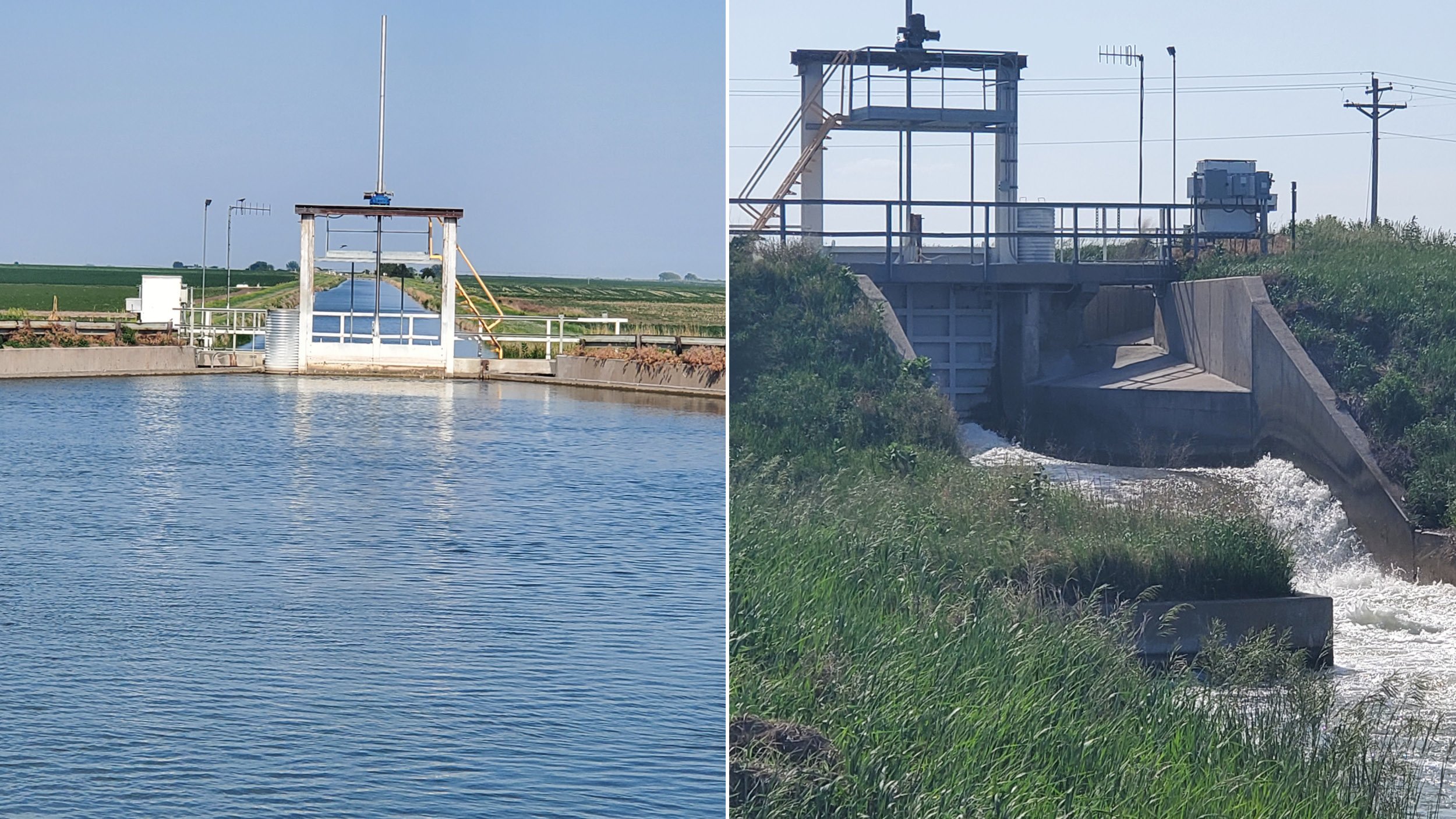
The hydropower system depends on careful timing, coordination, and monitoring. Water released from Lake McConaughy and, at times, the South Platte River is diverted into the Supply Canal, guided through control structures and reservoirs, and routed through hydroelectric facilities before returning to the river or moving into irrigation use. Central’s Gothenburg Control Center monitors and operates key parts of this system around the clock. That level of operational control matters because water management in Nebraska is rarely simple. Conditions change with snowpack, rainfall, river flows, irrigation demand, and environmental needs. Central’s system must respond to all of those factors while maintaining both reliability and safety.
More Than Water and Power
Although irrigation and hydropower are central to its purpose, CNPPID’s influence extends well beyond those two functions. Recreation is one of the most visible public benefits of the district’s project. Lake McConaughy, Lake Ogallala, Johnson Lake, and other lakes along the canal system attract boaters, anglers, campers, and families from across Nebraska and beyond. Lake McConaughy alone draws well over a million visitors annually, showing how water infrastructure can also support tourism and quality of life. For many people, their strongest connection to Central may come not from a farm field or power line, but from a summer day spent on one of its lakes.
The district also plays a meaningful role in habitat management and environmental stewardship. Its lakes, canals, and associated lands provide habitat for fish, birds, and other wildlife, especially in the Platte River Valley. Central describes its mission in terms of sustainable service and stewardship, emphasizing irrigation, energy, recreation, environmental quality, and the responsible use of natural resources. That mission reflects a broader understanding of what public infrastructure should accomplish today. It is no longer enough simply to move water or generate electricity. Modern resource management also requires attention to conservation, water quality, ecosystem health, and the needs of future generations.
Why Central Still Matters
The story of the Central Nebraska Public Power and Irrigation District is really the story of how Nebraska learned to make the most of its water resources. What began as a response to drought, economic hardship, and agricultural uncertainty developed into a long-lasting system that supports farming, electrical generation, recreation, and environmental management. I was fortunate to have grown up in the heart of this project. The headquarters and main offices are located in my hometown of Holdrege Nebraska. I served on the Central Districts water users board and I manage a number of farms in Gosper, Phelps and Kearney counties where surface water deliveries provide the essential irrigation needs to those landowners and operators.
In central Nebraska, water has always been both a necessity and a challenge. Central represents one of the region’s most important long-term answers to that challenge. By combining irrigation delivery, hydropower production, groundwater support, recreation, and stewardship into one coordinated system, the district continues to shape the region’s economy and environment. As Nebraska faces future questions about water supply, drought resilience, and sustainable development, the work of Central will likely remain as important as ever.
At Peoples Company, we understand that successful land management in regions like central Nebraska requires more than knowledge, it demands local expertise, strong relationships, and a deep respect for the land and its resources. Our team provides boots-on-the-ground insight and proactive management to help landowners maximize the value and sustainability of their farms. Landowners interested in learning more about Peoples Company Land Management services are encouraged to visit our service page or contact us at LandManagement@PeoplesCompany.com.
Agriculture
Crop Insurance
Energy Management
Growing Together
Industry Insights
Land Auctions
Land Management
Land Values
News & Events
Real Estate
Peoples Company proactively works to anticipate the needs of those in the agricultural sector. Our monthly email publication keeps readers in the know about everything land.
