

USDA Wetland & HEL Determinations: A Landowner's Guide
Professional land managers and landowners share a common goal: improving the productivity, sustainability, and long-term value of farmland. Whether the objective is increasing yields, enhancing conservation outcomes, implementing drainage improvements, or making other strategic investments, we want to leave farms in better condition than we found it.
Before any improvements or land modifications can be considered, however, it is essential to understand what activities are permissible and what restrictions may apply. Compliance with USDA conservation requirements is the foundation for making informed land management decisions. USDA determinations help establish the parameters for potential improvements while ensuring compliance with federal conservation regulations and protecting eligibility for valuable farm programs.
Participating in USDA farm programs requires meeting specific conservation compliance standards. One of the most important steps in maintaining eligibility is completing a Wetland and Highly Erodible Land (HEL) Determination, administered through the Farm Service Agency (FSA) and the Natural Resources Conservation Service (NRCS).
Whether planning land improvements, preparing for future development, or participating in USDA production agriculture programs, a determination must be in place before any land-altering activity occurs, including clearing, drainage, or breaking new ground.
Why Determinations Matter
A Wetland and HEL Determination protects eligibility for USDA benefits and ensures that any land changes comply with federal conservation rules. Failure to obtain approval before altering a designated area can result in:
Loss of USDA program eligibility
Repayment of previously received benefits
Delays in future program enrollment
For landowners, this process is not only a compliance requirement, but also a safeguard for long-term land value, responsible stewardship, and operational flexibility.
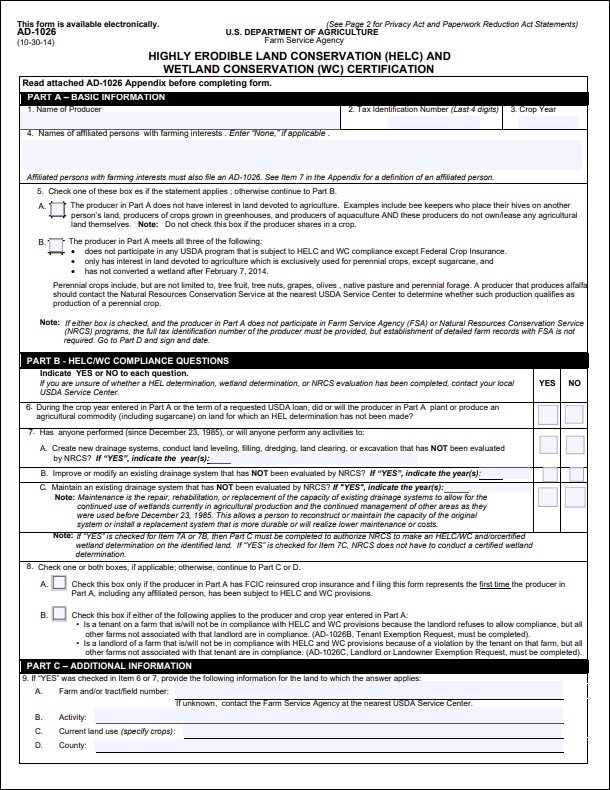
Step 1: Filing Form AD-1026
The first step in the determination process is filing Form AD-1026 with the local Farm Service Agency (FSA) office. This form officially initiates the conservation compliance review process and requests an evaluation of the property by NRCS.
Submitting the form before undertaking any land-altering activities is critical to maintaining eligibility for USDA programs and avoiding unintended compliance issues.
Step 2: NRCS Conducts an Initial Property Review
After Form AD-1026 is submitted, NRCS conducts an initial review of the property. Using historical records, aerial imagery, soil surveys, topographic information, and site inspections when necessary, NRCS evaluates the land for potential Highly Erodible Land (HEL) and wetland concerns.
Common indicators reviewed by NRCS may include:
Persistently wet or saturated areas
Crop drown-out zones
Unusual or hydrophytic vegetation
Soil types inconsistent with surrounding fields
During the assessment, NRCS specialists may utilize:
Soil surveys
Aerial and historical imagery
Topographic and hydrology maps
On-site inspections and soil sampling
Based on its review, NRCS determines whether regulated wetland or HEL areas exist and prepares the official determination documentation.
Step 3: Review and Understand Your Determination Map
Following its review, NRCS provides the landowner with its findings and an official determination map.
Understanding these determinations is important because they establish what activities may occur on the property, what activities may require additional review, and what conservation practices may be necessary to maintain USDA program eligibility.
Your map may include several key designations:
HEL – Highly Erodible Land requiring a conservation plan and approved tillage practices
NHEL – Land without significant erosion concerns
W – Wetland areas where no alterations may occur without written NRCS approval
FW – Farmable Wetland; farming allowed, but modifications require approval
FWP – Farmed Wetland Pasture
PC – Prior Converted Farmland altered before December 23, 1985, generally exempt from wetland restrictions
These designations guide what activities are permitted and what may require additional review, permitting, or conservation measures.
Step 4: Appeal a Determination if Necessary
Landowners who disagree with a determination have 30 days from receiving their findings to file an appeal. Appeals may be appropriate when a landowner believes the determination contains technical errors, overlooks historical land use, or otherwise does not accurately reflect existing conditions.
Reasons for appeal may include:
Incorrect hydrology assessments
Previously installed drainage systems not recognized
Misidentified vegetation or hydric soils
Outdated or improper technical procedures
Lack of consideration for historical land use
Disagreement with specific designations
Appeals typically begin with an in-person review with NRCS staff. If unresolved, cases may be elevated to state specialists, the National Appeals Division, or federal court. Professional consultation may be beneficial for complex appeals.
After the Determination
Once the determination is finalized, landowners may need to:
Obtain permits
Develop mitigation plans
Implement conservation practices
Follow land-use constraints outlined by NRCS
These steps help ensure ongoing compliance while protecting eligibility for USDA programs and supporting responsible long-term land stewardship.
Supporting Landowners Through the Process
Wetland and Highly Erodible Land (HEL) Determinations are an essential part of responsible farmland ownership and management. While the process is designed to protect valuable natural resources, it can also be technical, complex, and time-sensitive for landowners navigating conservation compliance requirements.
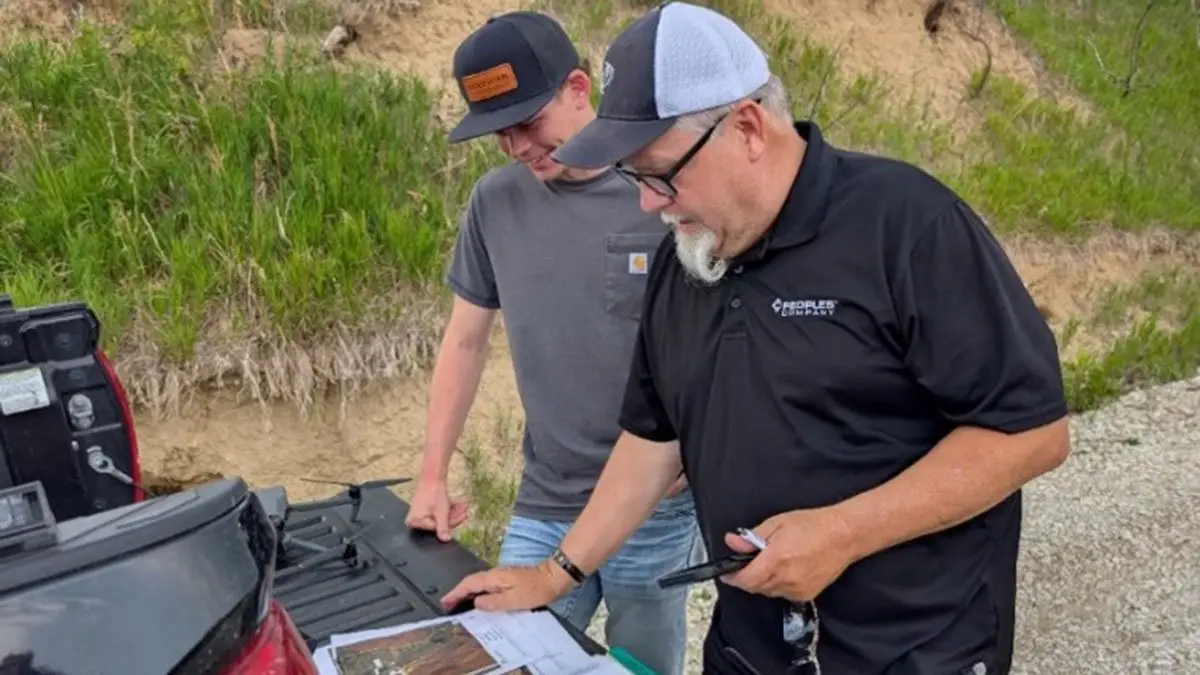
Peoples Company Land Managers serve as the boots on the ground for farmland owners, helping protect and improve the long-term productivity, sustainability, and value of their farms. We bring regional expertise, practical knowledge of conservation best practices, and an understanding of the programs, regulations, and compliance requirements that impact today's agricultural operations.
Our role is to help landowners make informed decisions, coordinate with agency partners and technical experts when needed, and ensure farm improvements are pursued in a manner that aligns with both ownership goals and regulatory requirements. Through active stewardship and local market knowledge, we help landowners avoid costly mistakes while maximizing the long-term potential of their land assets.
Ultimately, this expertise is what landowners invest in when they engage a professional land manager: a trusted partner focused on protecting, improving, and enhancing one of their most valuable assets.
For more information about land management services or assistance with USDA compliance, contact the Peoples Company Land Management team.
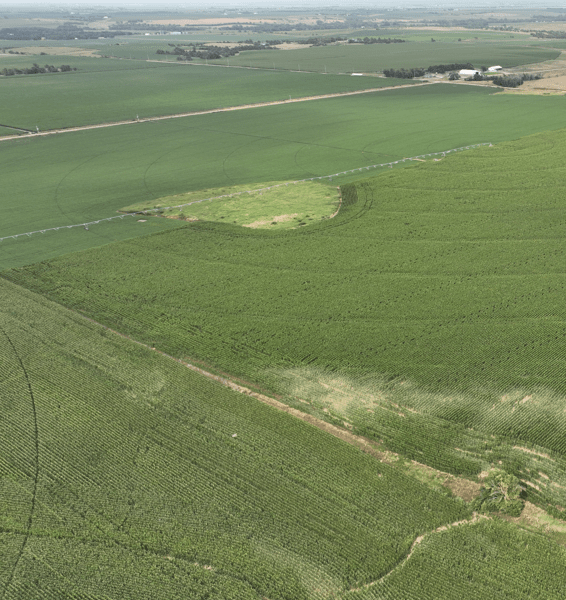
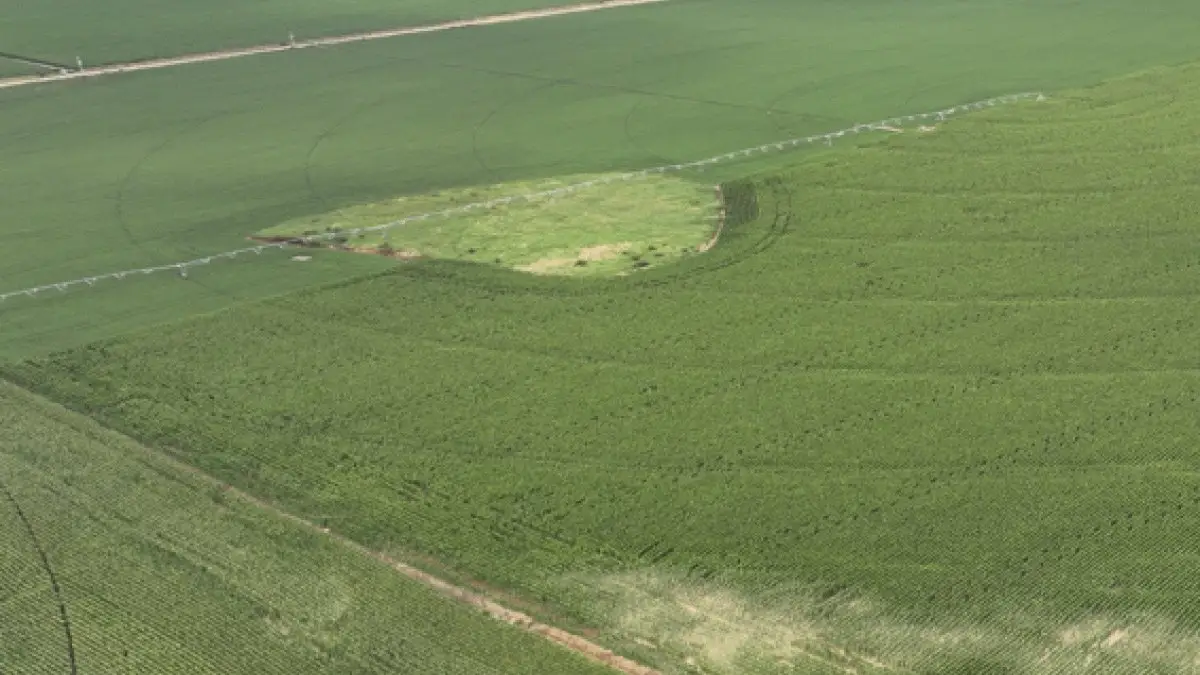
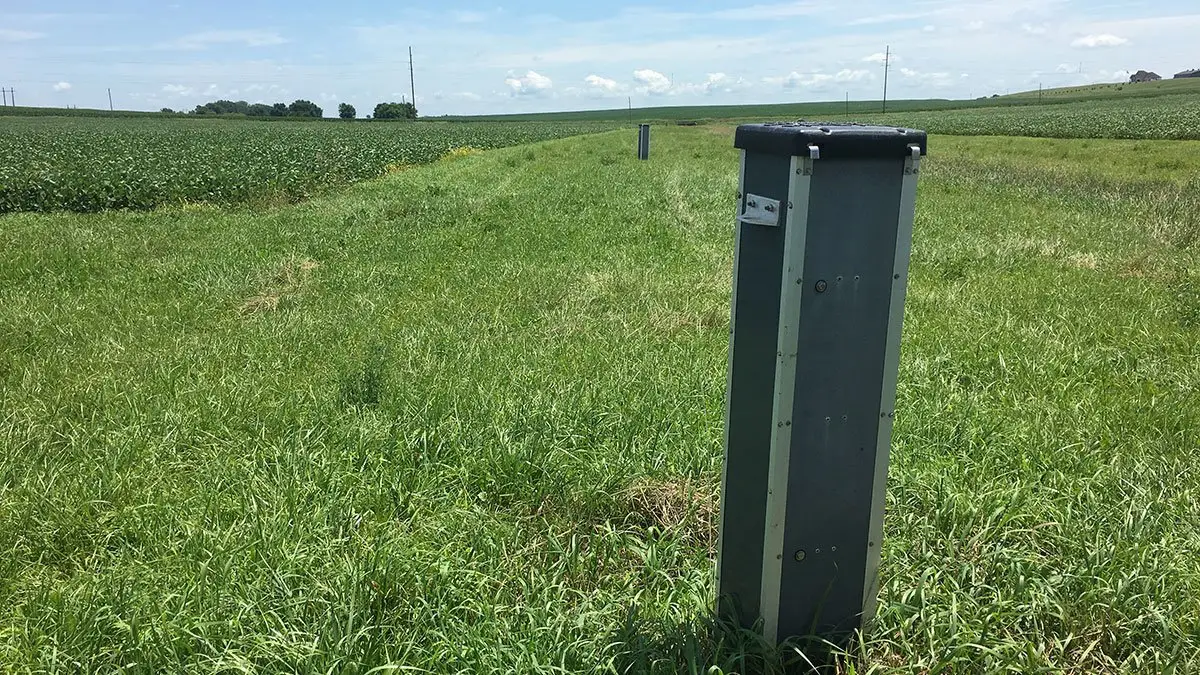
The area of this farm may contain a wetland.
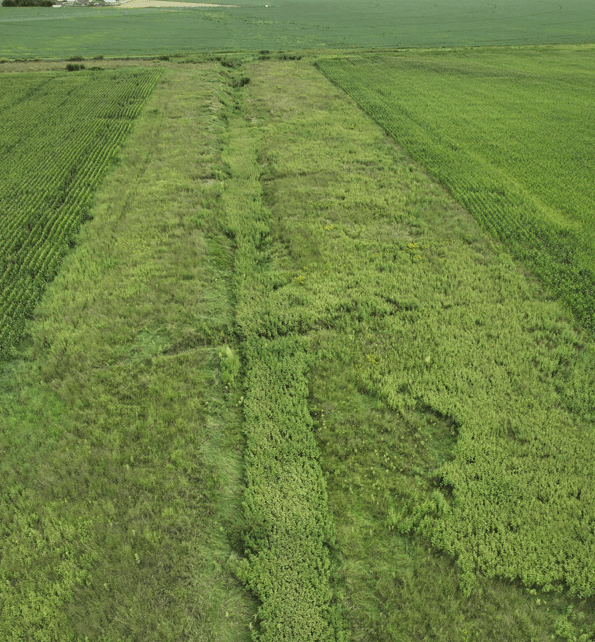
This strip through this farm did not contain a wetland.
Agriculture
Crop Insurance
Energy Management
Growing Together
Industry Insights
Land Auctions
Land Management
Land Values
News & Events
Real Estate


Peoples Company proactively works to anticipate the needs of those in the agricultural sector. Our monthly email publication keeps readers in the know about everything land.
