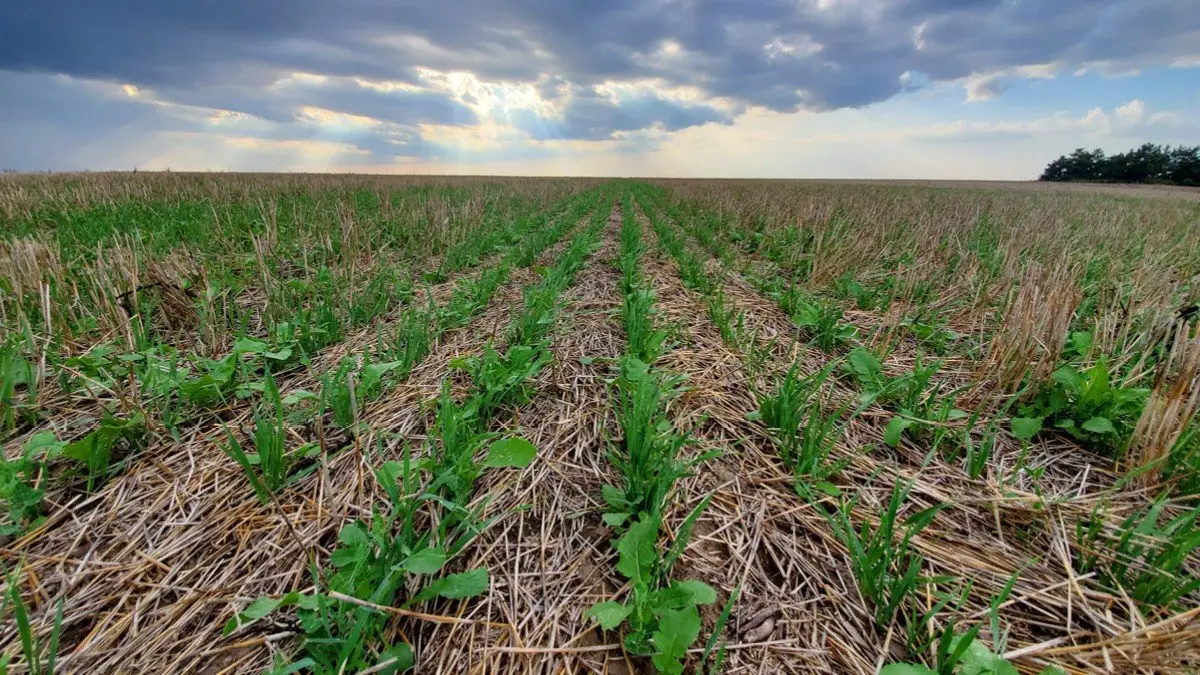
Iowa farmland has long been valued for what it can produce – strong soils, good drainage, and consistent yields. For generations, that’s been the foundation of land values across the state. But in certain parts of Iowa, especially in Central Iowa, there’s another factor increasingly influencing price: proximity to growth.
In areas surrounding expanding communities, farmland is valued not just for what it produces today, but for what it could become tomorrow. This is what we call transitional farmland.
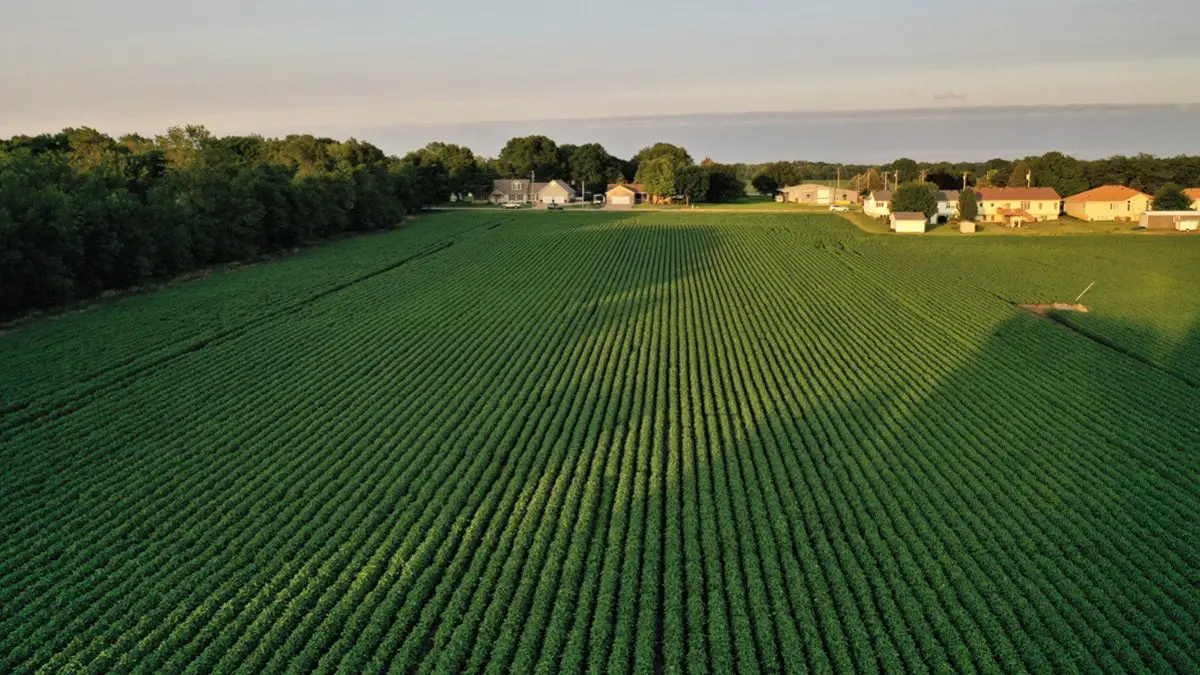
Transitional farmland sits just outside current city limits but lies in the path of growth. It may still be planted to corn or soybeans, but it’s positioned in an area where residential neighborhoods, industrial parks, or commercial developments are expected to expand over the next 10 to 20 years. As cities continue adding housing, industrial buildings, and retail amenities, this land becomes increasingly attractive – and its value often appreciates at a rate that outpaces traditional farmland.
Growth Is Pushing Outward
Across Central Iowa and other growing portions of the state, residential development continues to move outward from urban centers. Desirable school districts, steady employment growth, and overall quality of life are driving demand for new housing, from single-family homes to apartments, and mixed-use projects.
When farmland sits adjacent to city boundaries, near major roadways, or close to planned infrastructure, it often becomes the logical “next phase” of development. While those acres may still be farmed today, their highest and best use may ultimately shift from agriculture to residential lots or commercial pads.
That potential shift is where opportunity lies.
Industrial and Commercial Demand Is Accelerating
It’s not just housing fueling this transition.
Iowa has also experienced growth in industrial and logistics center development. The state’s central location — particularly around the intersection of Interstate 80 and Interstate 35, often referred to as the Crossroads of America - has positioned it as a strategic hub for warehousing, manufacturing, and distribution. This crossroads location provides efficient one day’s drive time to major population centers across the Midwest, like Chicago, Kansas City, St. Louis Minneapolis, and Omaha.
What Makes Transitional Land Different?
Traditional farmland is valued primarily on agricultural factors: soil type, CSR2 rating, drainage, and productivity. Transitional farmland, on the other hand, is valued based on development potential.
The old real estate adage — location, location, location — still rings true. Proximity to major roadways, sewer lines, water service, and electrical infrastructure can dramatically impact both the timing and feasibility of development. In many cases, the availability (or planned extension) of utilities is what unlocks value.
Because of this, transitional farmland often trades above traditional agricultural pricing, yet below fully entitled development land pricing. That pricing gap can create meaningful returns for investors willing to be patient for growth to occur.
Key Considerations When Evaluating Transitional Farmland
If you’re looking at transitional land as an investment or long-term hold, here are several important factors to evaluate:
Location
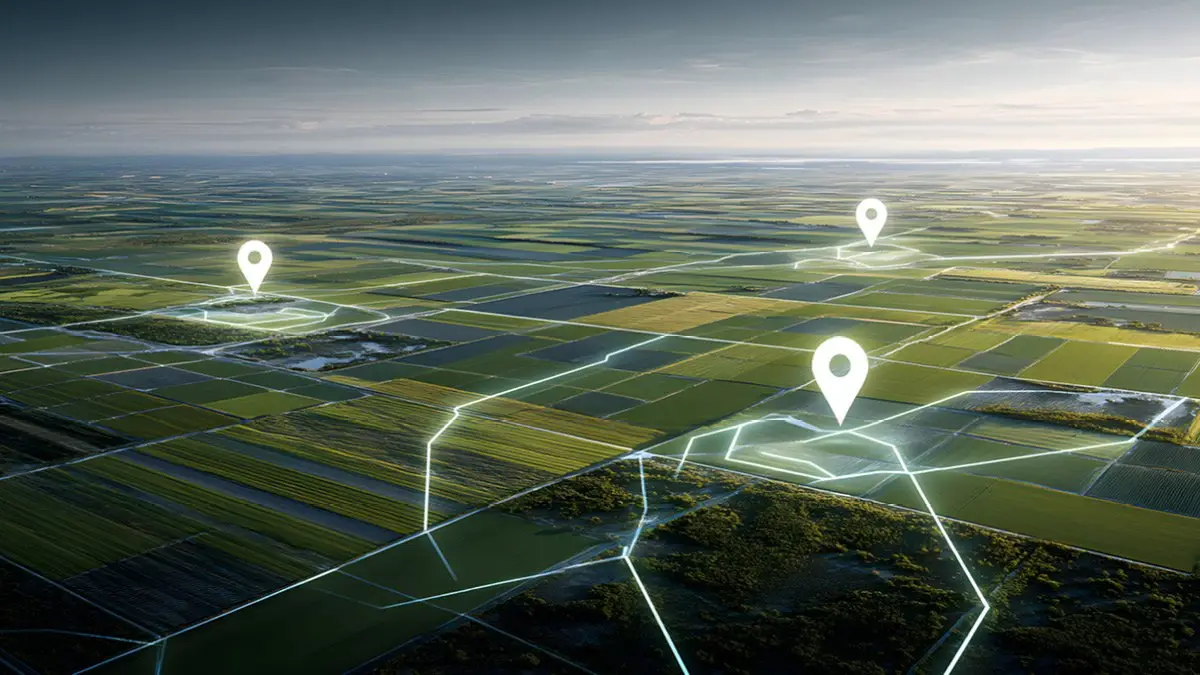
Where is growth occurring today? Where are rooftops being added? Keeping an eye on building permits, new subdivision filings, commercial projects, and planned infrastructure expansion can tell you a lot about where a community is headed. When it comes time to sell this type of asset, understanding the market — and the timing of key infrastructure like water, sewer, and road extensions — plays a major role in determining value. Having open conversations with city officials and knowing the right questions to ask can go a long way in uncovering the details that truly matter.
Comprehensive Plan & Future Land Use Map
Cities use comprehensive plans as long-term road maps, often looking 20 to 30 years ahead. These plans outline where residential, commercial, and industrial growth is anticipated and where future infrastructure is likely to extend. Understanding how a parcel is designated on a city’s future land use map can provide strong insight into its long-term potential.
Infrastructure Timing
Water, sewer, and road improvements are critical. Land in the path of planned infrastructure typically transitions faster and with more certainty.
School District
School districts play a major role in residential demand. Desirable districts often see more housing growth, which accelerated development timelines.
Environmental Factors
Floodplain, wetlands, and topography all impact usable acreage and development feasibility. A thorough review of environmental constraints is essential before assigning development-level value.
Transitional farmland isn’t purely an agricultural investment — and it isn’t an investment in a development project either. It’s an investment in the future of our communities. For the right buyer, that in-between space can offer compelling appreciation potential as Iowa’s communities continue to grow.
At Peoples Company, we’ve built a strong track record helping clients successfully buy and sell transitional and development-ready farmland across the Midwest. If you own property in the path of growth and want to better understand how it’s valued — or if you’re looking to acquire this type of asset — our team is here to guide you through the process. We bring market insight, local relationships, and real-world experience to every conversation. If you’d like to explore your options, we’d welcome the opportunity to be a resource for you.