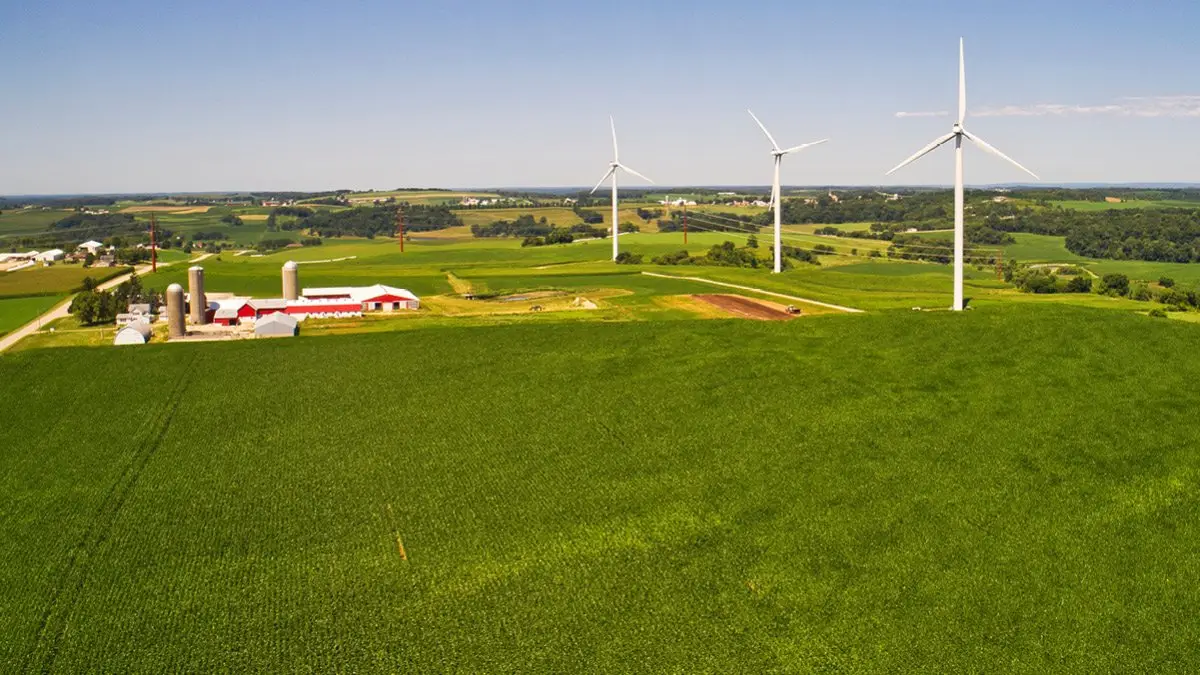
Some wind energy projects across the United States are experiencing longer than expected timelines in the federal approval process due to a series of recent changes within the Department of Defense (DoD). These changes are affecting how projects are reviewed for potential impacts on military operations.
The DoD has always played a role in evaluating wind energy developments, particularly those involving tall structures that may interact with radar systems or military airspace. However, adjustments to internal review practices, coordination between agencies, and evaluation standards are now influencing how and when determinations are issued.
Although these changes are largely administrative, they are having a significant effect on project timelines and creating concerns for utility scale solar developers.
The Role of the Department of Defense in Wind Development
Any wind turbine exceeding 200 feet in height requires review through the Federal Aviation Administration (FAA). As part of that process, projects are evaluated by the Department of Defense to determine whether they could interfere with military radar systems, training routes, low-altitude flight operations, or general airspace safety and national defense infrastructure.
This review is conducted through the DoD Siting Clearinghouse, which works with the FAA to assess potential conflicts and recommend mitigation where necessary. Historically, this process was relatively predictable, allowing developers to identify risks early and adjust project design as needed.
Changes in the Approval Process
Recent developments are not tied to a single formal rule change or new regulation. Instead, the slowdown is driven by how the existing process is being carried out. One of the most notable changes has been in how reviews are completed and advanced through internal channels. Reviews are taking longer to progress, final determinations are being delayed, and some projects remain in extended review without clearly defined timelines. Because wind projects cannot move forward without a completed DoD review, delays at this stage can have cascading effects on development schedules.
Another key shift is the reduced flow of completed determinations from the DoD to the FAA. In order for a project to receive final clearance, the DoD must provide its findings to the FAA. Recently, fewer completed reviews have been transmitted, leaving projects in an intermediate status rather than progressing toward a final decision. This effectively creates a bottleneck at a critical step in the approval process, delaying construction even for projects that are otherwise viable.
In addition, the DoD has been applying increased scrutiny in its evaluations. Greater attention is being paid to potential radar interference, and projects may undergo a more detailed technical analysis than in the past. As a result, turbine layouts or configurations that may have previously been acceptable are now being reevaluated, adding both time and uncertainty to the process.
Changes in coordination and communication are also contributing to delays. Routine coordination between agencies and developers has become less consistent, mitigation discussions are taking longer to initiate, and overall visibility into project status has declined. This makes it more difficult for developers to proactively address concerns and keep projects moving efficiently.
Radar and Military Compatibility
Radar interference is a major issue for the DoD. Because of their large size and moving blades, wind turbines can reflect radar signals in ways that create false readings, obscure aircraft detection, or reduce overall radar performance under certain conditions.
As technology continues to evolve, wind turbines are getting taller and have longer blades. This has increased the potential for these interactions and has contributed to a more cautious and detailed review approach from the Department of Defense.
National Impact on Wind Development
The effect of these changes is being felt across the wind energy sector. A growing number of projects are experiencing delays extending already long development timelines.
Even well-positioned projects with strong local support, secured land agreements, and financing in place are subject to these timing constraints. As a result, development is becoming less predictable, which can affect broader planning and investment decisions.
Implications for Landowners
These changes introduce several important considerations for landowners involved in or evaluating wind energy opportunities. Option periods may run longer than initially expected. Disruptions to project approvals may make some projects less likely to be built. And your property’s location also plays an increasingly important role, as proximity to military sites and training routes can trigger additional examination. When considering a wind lease, it is important to understand how these changes may affect the likelihood of your property being developed. In this environment, developers with experience navigating the federal review process are often better equipped to manage risks and adapt to evolving requirements.
These ongoing shifts point to a more complex and less predictable environment for wind development, where timing and feasibility are increasingly tied to evolving federal review dynamics rather than just site quality or market demand. Even strong projects can face unexpected delays, which makes it important for both developers and landowners to stay flexible and informed. While the approval process remains essential to balancing energy growth with national security, adapting to these changes will be key to keeping projects moving forward. In a landscape with heightened oversight and evaluation.