As the energy landscape continues to evolve, Battery Energy Storage Systems (BESS) have emerged as a growing opportunity for farmland owners. Often developed alongside wind and solar projects, these systems play a critical role in supporting grid reliability while offering landowners potential for additional income.
For those evaluating energy development opportunities on their property, understanding how battery storage works, and where it fits, is becoming increasingly important.
What Is a Battery Energy Storage System (BESS)?
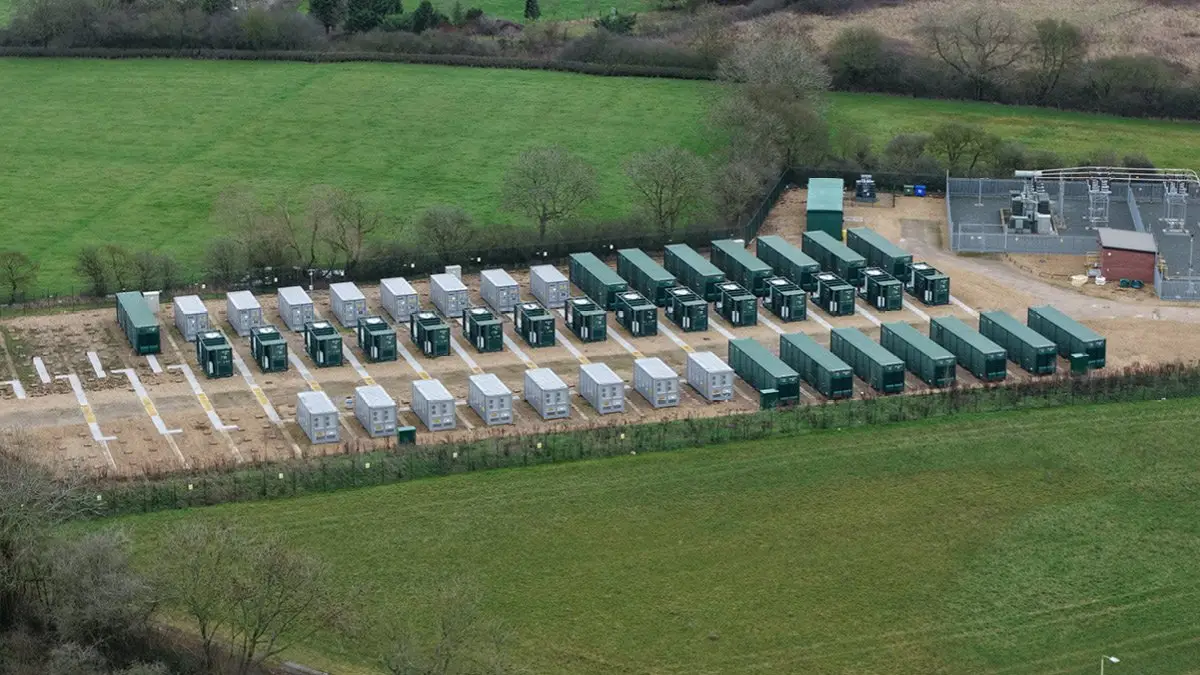
A Battery Energy Storage System (BESS) is a utility-scale facility that stores electricity and delivers it back to the grid when it is needed.
It functions much like a large, rechargeable battery for the power grid. When electricity production is high, such as during periods of strong wind or sunshine, the system stores excess energy. When demand increases, that stored energy is released back onto the grid. This capability is especially important as more power is generated from renewable sources, which do not produce electricity continuously.
A typical BESS site includes:
Containerized battery units, often similar in size and appearance to shipping containers
Power conversion equipment (inverters) that manage the flow of electricity
Transformers and infrastructure that connect the facility to the local grid
Compared to other energy developments, these facilities are more compact, typically requiring between 5 and 40 acres depending on the project’s size and design.
The Role of BESS in Renewable Energy Development
Battery storage has become an essential complement to renewable energy. Wind and solar generation are inherently variable. While they provide low-cost, clean energy, their output does not always align with demand. Battery storage helps address this mismatch by:
Storing excess generation during off-peak periods
Delivering power during peak demand hours
Supporting grid stability and reliability
In many cases, storage is co-located with renewable projects, though standalone BESS developments are becoming increasingly common, particularly near substations and transmission infrastructure.
What Is Driving the Growth in Battery Storage?
Battery storage development has expanded rapidly in recent years, supported by several key factors:
Declining Technology Costs
Advancements in battery technology, particularly lithium-ion systems, have significantly improved project economics.
Increased Renewable Penetration
As more wind and solar facilities come online, grid operators require additional flexibility to manage variability.
Federal Incentives
Tax credits and other policy mechanisms have made standalone storage projects more financially viable, accelerating development activity.
Grid Reliability Needs
Extreme weather events and aging infrastructure have highlighted the need for fast-response resources capable of stabilizing the grid.
Diverse Revenue Streams
Battery projects can participate in multiple markets, including energy, capacity, and ancillary services, enhancing their financial attractiveness.
Considerations for Landowners
As interest in battery storage grows, farmland owners need to understand several important factors when evaluating potential opportunities.
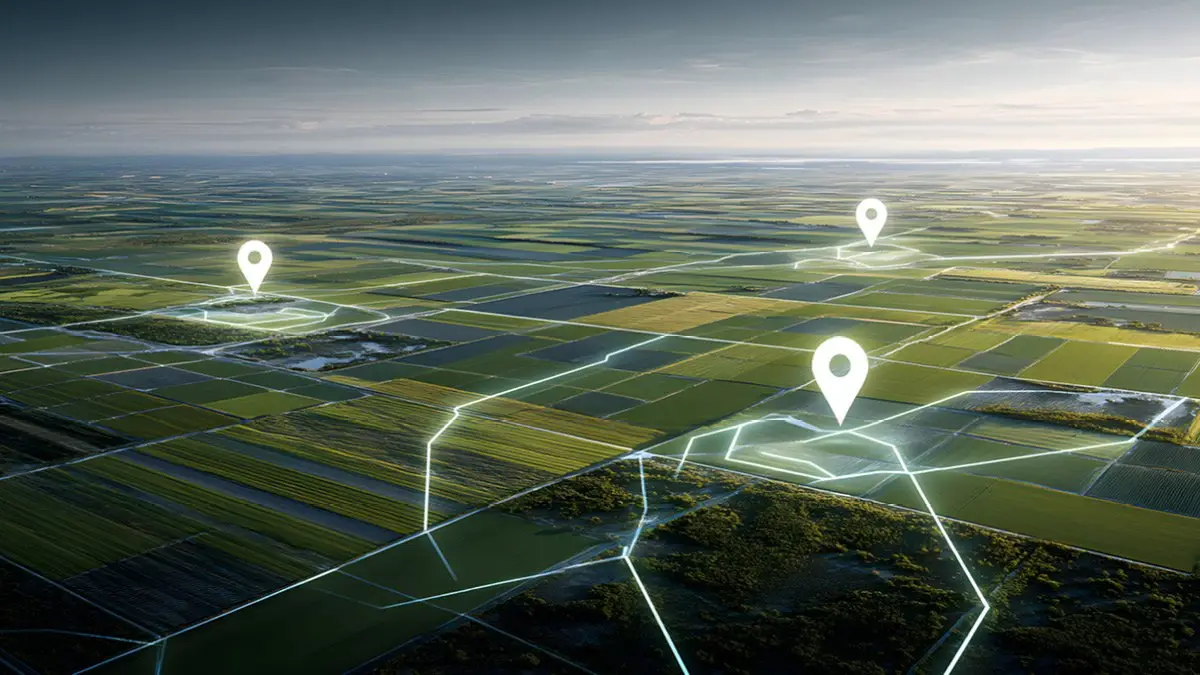
Location Is Critical
BESS projects are highly dependent on infrastructure. They require:
In many cases, a smaller parcel in the right location can be more valuable than larger acreage elsewhere.
Lease Structures and Income Potential
Battery storage projects are most commonly developed through long-term agreements with landowners, but these structures can take more than one form. In general, landowners will encounter either a lease arrangement or a purchase option, depending on the developer’s strategy and the location of the asset.
Lease Agreements
Leases remain the most common structure for BESS development.
Typical characteristics include:
Terms ranging from 20 to 40 years
Fixed annual payments with built-in escalation provisions
Option periods prior to construction during project development
Lease structures can provide stable, predictable income while allowing landowners to retain ownership of the property. Given the relatively small footprint of these projects, much of the surrounding land can often remain in agricultural use.
Purchase Agreements (Sale or Option to Purchase)
In some cases, particularly for strategically located parcels near substations or key interconnection points, developers may pursue a purchase rather than a lease.
These arrangements may include:
An upfront payment or purchase option fee
A defined purchase timeline tied to project milestones
Transfer of ownership upon project execution
While a sale provides immediate liquidity, it also removes future control and long-term income potential. For landowners, evaluating whether to lease or sell often comes down to individual financial goals, tax considerations, and the strategic value of the property.
Contract Review
As with any energy-related agreement, lease terms should be carefully evaluated.
Areas to focus on include:
Payment structure and escalation
Option timelines and project milestones
Decommissioning obligations
Liability and insurance provisions
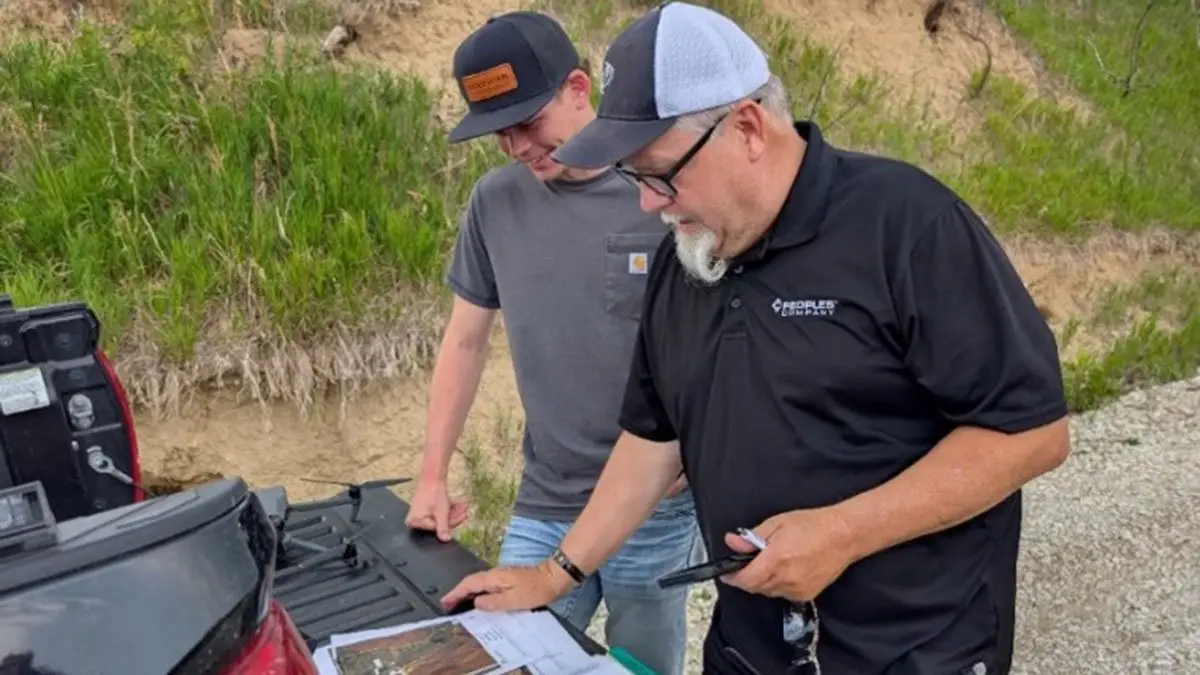
Working with experienced professionals and legal counsel can help ensure long-term protection and clarity.
Positioning for Future Opportunities
Battery storage is becoming an integral component of the modern electric grid. As development continues, farmland owners located near key infrastructure may be well-positioned to benefit.
Those interested in exploring opportunities should consider:
Evaluating proximity to transmission and substations
Monitoring renewable energy activity in the area
Engaging with reputable developers and advisors
Seeking professional guidance before entering agreements
Battery Energy Storage Systems represent a natural next step in the evolution of energy development. They create additional reliability for renewable projects and are proving to be a critical piece of energy infrastructure. For farmland owners, they offer a complementary opportunity to existing wind and solar projects, providing significant income potential with a relatively small land commitment.
As with any land-based investment decision, understanding the fundamentals and working with experienced partners is key to maximizing value. For more information or help navigating BESS opportunities on your property, please reach out to Peoples Company’s Energy Management Division.