Farmland values in Missouri have attracted increased attention in recent years due to strong demand, rising interest from investors, and changing agricultural economics. Along with that attention comes misinformation. Many landowners hear rules of thumb or assumptions about farmland value that simply do not hold up when examined through market data and professional appraisal standards.
Myth #1: All Missouri Farmland Is Worth About the Same Per Acre
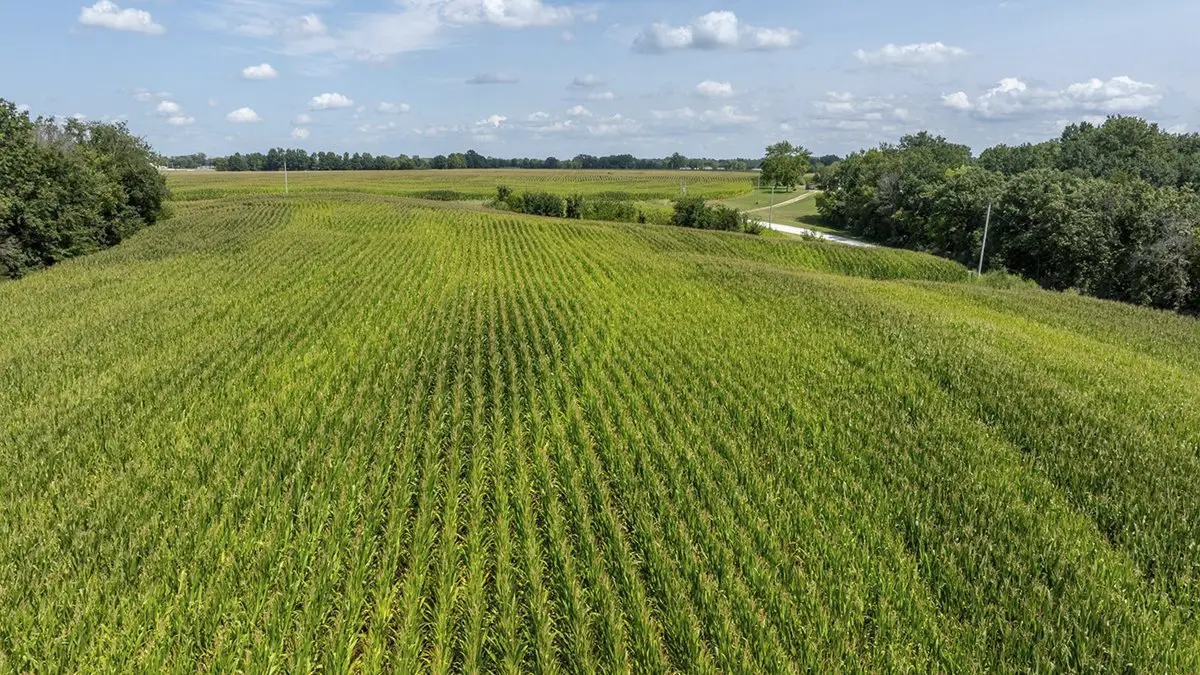
One of the most common misconceptions is that farmland across Missouri trades within a narrow price range. In reality, farmland values vary widely across the state due to differences in soil productivity and consistency, the percentage of tillable acres, drainage, tile and conservation improvements, location and access, and local buyer demand. Row-crop farms in northern Missouri, mixed-use tracts in central Missouri, and pasture-heavy land in southern Missouri all operate in different submarkets. Comparing price per acre without context can be misleading.
Myth #2: The Highest Sale Nearby Automatically Sets My Farm’s Value
Hearing about a high-priced sale nearby often leads landowners to expect a similar value for their property. However, not all sales are truly comparable. Appraisers evaluate whether a sale was arm’s-length, had similar soil quality and improvements, occurred under similar market conditions, and whether the price was influenced by buyer motivation or special circumstances. A single high sale does not define the market; value conclusions are based on multiple comparable sales analyzed together.
Myth #3: Price Per Acre Is All That Matters
Price per acre is a convenient metric, but it does not capture how farmland actually performs or how buyers evaluate it. Factors such as field shape, access, drainage, and overall farmability can materially impact value. Two farms with the same acreage may command different prices because one is easier to operate, has better soils, or requires less capital investment. Professional appraisals look beyond averages to understand buyer behavior.
Myth #4: Cash Rent Directly Determines Market Value
Cash rent is an important data point, but it does not automatically dictate farmland value. In Missouri, many farms are purchased for long-term ownership, expansion, or investment rather than strictly for income yield. Appraisers consider typical market rent for similar land, lease terms and consistency, whether rent reflects market behavior or family arrangements, and how buyers balance income, risk, and appreciation. In many Missouri markets, sales evidence carries more weight than income alone.
Myth #5: Farmland Values Always Go Up
While Missouri farmland has experienced long-term appreciation, values are not immune to market cycles. Farmland values respond to commodity price trends, interest rates and financing conditions, investor activity, and local supply and demand. An appraisal reflects market conditions as of a specific date; it is not a prediction of future appreciation or a guarantee of continued growth.
Myth #6: Improvements Always Add Dollar-for-Dollar Value
Drainage tile, terraces, fencing, and conservation practices can enhance value, but they do not always add value equal to their cost. Appraisers consider whether improvements are typical for the area, their remaining economic life, and how buyers perceive their contribution to productivity. Some improvements are necessary just to remain competitive, while others may provide a premium depending on market demand.
Myth #7: The Appraiser Can Adjust the Value to Meet a Target
Some landowners believe an appraisal can be aimed at a desired number for tax, financing, or estate purposes. Professional appraisers must remain independent and impartial. An appraisal is a supported opinion of market value developed using recognized methods and market evidence, and personal goals or expectations cannot influence the final conclusion.
Final Thoughts
Missouri farmland is a complex asset influenced by physical characteristics, agricultural economics, and local market behavior. Simplified rules of thumb often overlook the factors that truly drive value. Understanding these common myths helps landowners set realistic expectations and make better-informed decisions. A professional farmland appraisal provides clarity by grounding value conclusions in market evidence, local knowledge, and sound valuation principles.