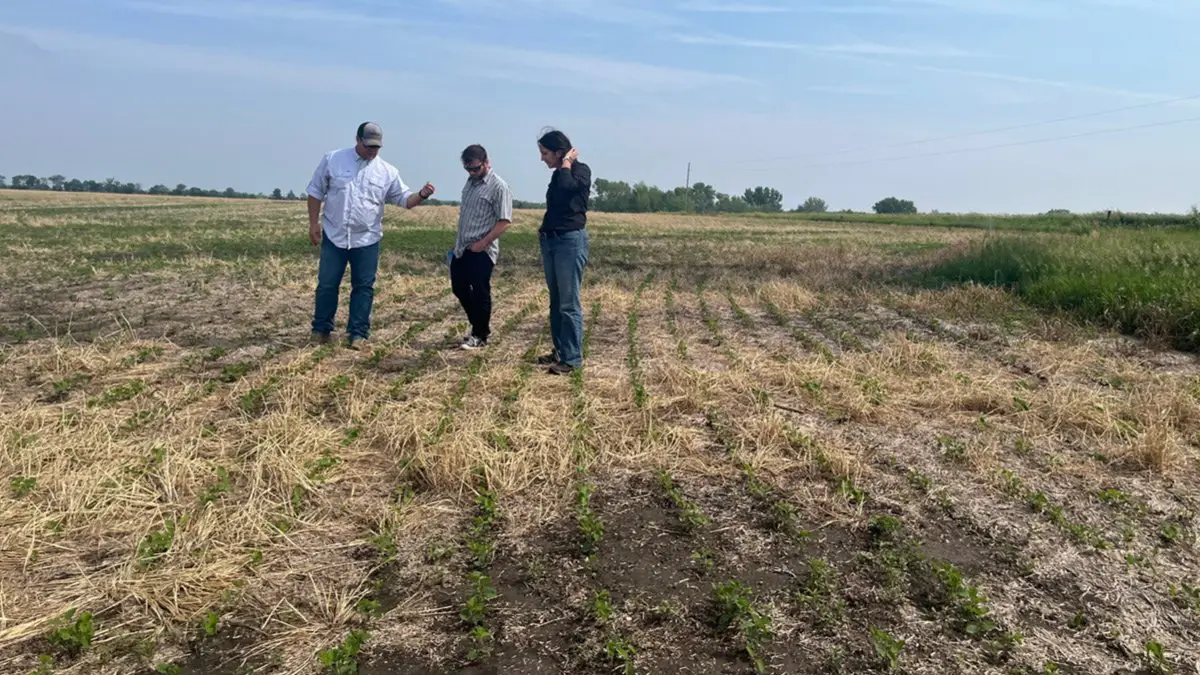
A professional Land Manager ensures farmland is supervised efficiently, responsibly, and in alignment with the landowner’s goals. With expertise in daily operations, long-term planning, and regulatory compliance, a Land Manager helps avoid costly mistakes while maximizing property value and productivity. Decisions are guided by experience rather than guesswork.
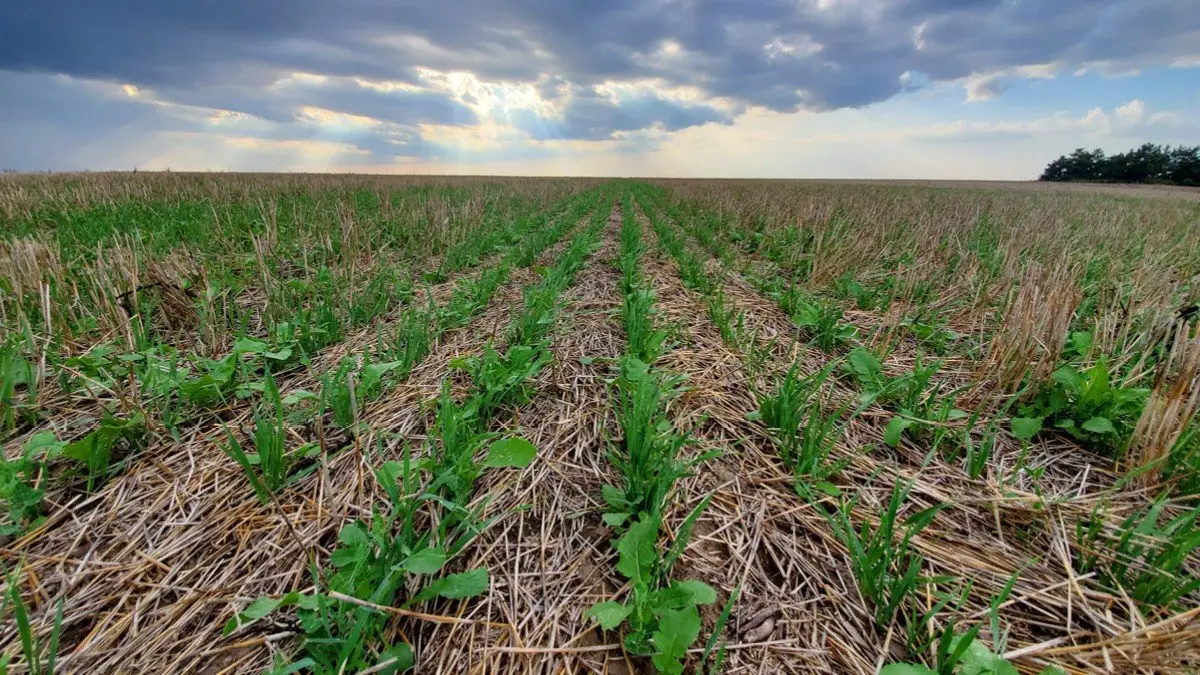
Improved land stewardship is a major advantage. Land Managers understand soil health, water management, vegetation control, and sustainable practices that protect natural resources. By focusing on drainage, nutrient use, erosion control, and conservation strategies, they support healthier land, stronger crop yields, improved livestock performance, and long-term environmental sustainability.
Efficiency and organization also increase. A Land Manager coordinates maintenance, scheduling, labor, and contractors, reducing delays and waste while ensuring tasks are completed correctly. For landowners without the time or technical expertise to manage these details, this oversight provides consistency and reliability.
Financial benefits are significant. Land Managers help control costs, identify revenue opportunities, and develop budgets aligned with long-term goals. They also assist with government programs such as EQIP to secure funding for improvements like irrigation systems, well upgrades, or cedar tree removal, helping protect and grow the landowner’s investment.
Finally, a Land Manager provides peace of mind. With a trusted professional overseeing the property and planning proactively, landowners can focus on other priorities, knowing their land is being managed responsibly and effectively.
Land Manager Benefits to Farmers and Tenants
Working with a Land Manager provides farmers with practical, long-term advantages that support daily operations and overall success. By aligning production goals with the land’s capabilities, Land Managers help guide decisions on crop rotation, grazing, soil use, and infrastructure planning for more consistent and sustainable outcomes.
Land Managers also assist with regulatory compliance and conservation programs. Their guidance helps farmers meet environmental requirements, maintain accurate records, and access government programs and subsidies—often within tight deadlines—reducing risk and missed opportunities.
Financial planning and risk management are additional benefits. Land Managers can support budgeting, lease arrangements, grant applications, cost-saving strategies, and diversified land use to stabilize income during market or weather fluctuations.
Most importantly, partnering with a Land Manager allows farmers to focus more on farming. Sharing responsibility for planning, monitoring, and problem-solving reduces stress, improves efficiency, and supports long-term productivity and sustainability.
Landowners interested in learning more about Peoples Company Land Management services are encouraged to visit our service page or contact us at LandManagement@PeoplesCompany.com.